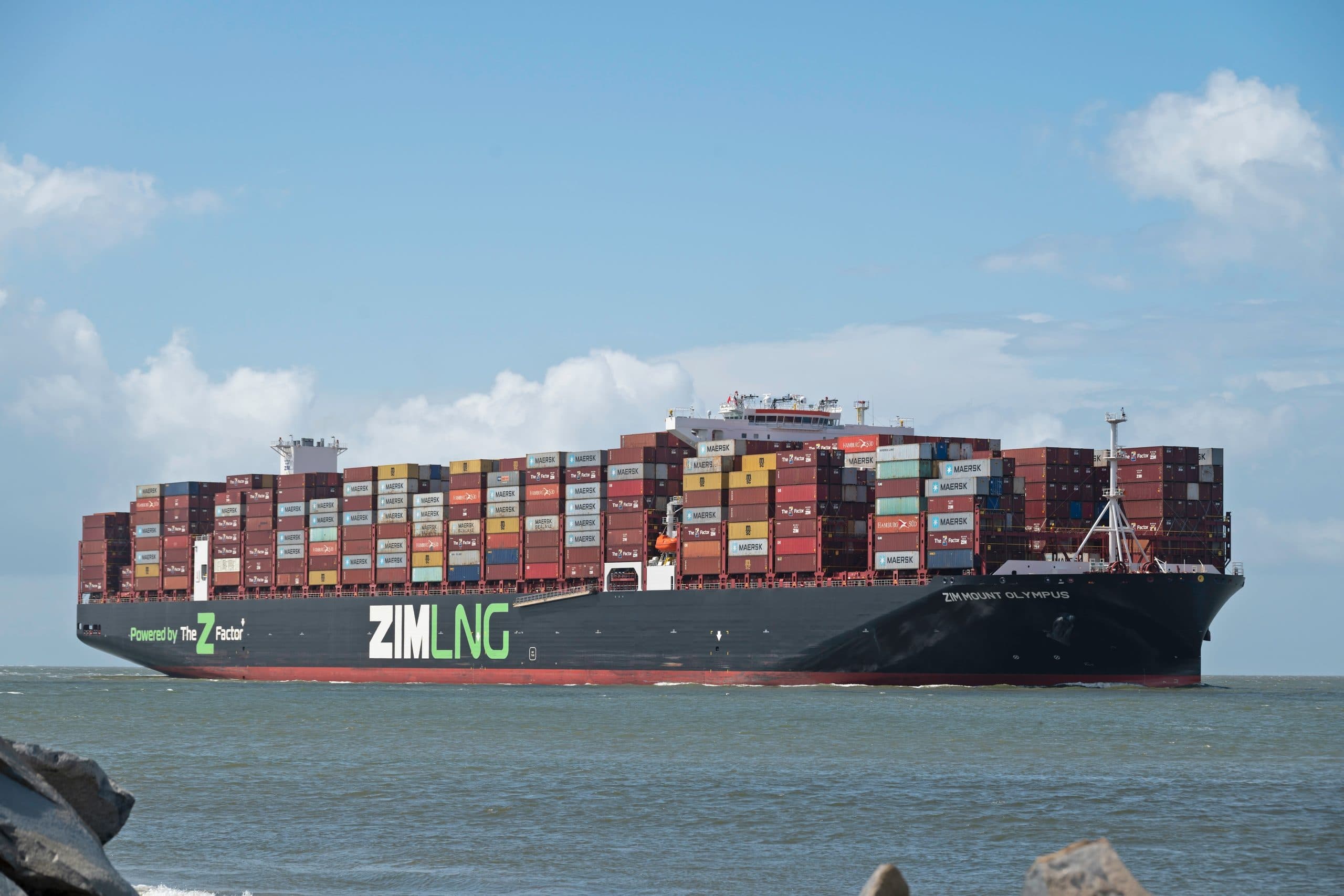
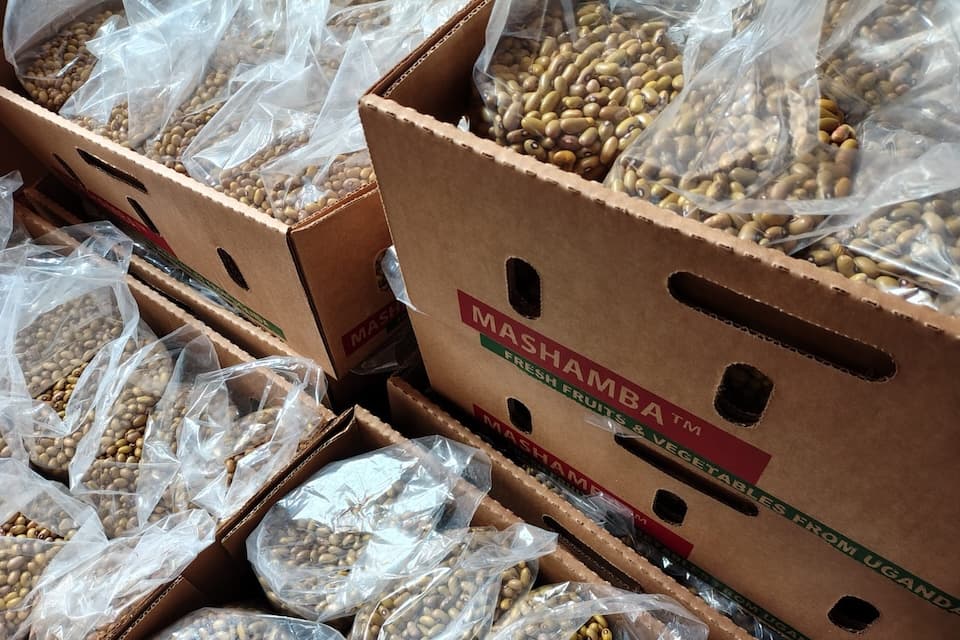
Vessel movements to Iran are experiencing a resurgence, attributed to a recently signed Memorandum of Understanding (MOU) between the United States and Iran. This agreement has facilitated a steady flow of agricultural products, particularly from South America, to meet Iran's import requirements.
Simultaneously, the Chicago Board of Trade (CBOT) new crop soybean-corn ratio has increased from 2.4 to 2.6 within a few weeks. This shift in the ratio signals a potential change in planting intentions among US farmers, suggesting a greater inclination towards planting soybeans compared to corn for the upcoming spring season.
For freight forwarders and operations managers, this development implies several potential impacts. The increased vessel traffic to Iran could lead to higher demand for shipping services on relevant trade lanes, potentially affecting rates and capacity for agricultural bulk carriers. Furthermore, a shift in US agricultural output towards soybeans could alter global commodity flows, influencing demand for specific vessel types and routes for both exports from the US and imports into regions like South America, which might need to adjust their own agricultural trade strategies. Forwarders should monitor these trends to anticipate changes in cargo volumes and optimize routing decisions.