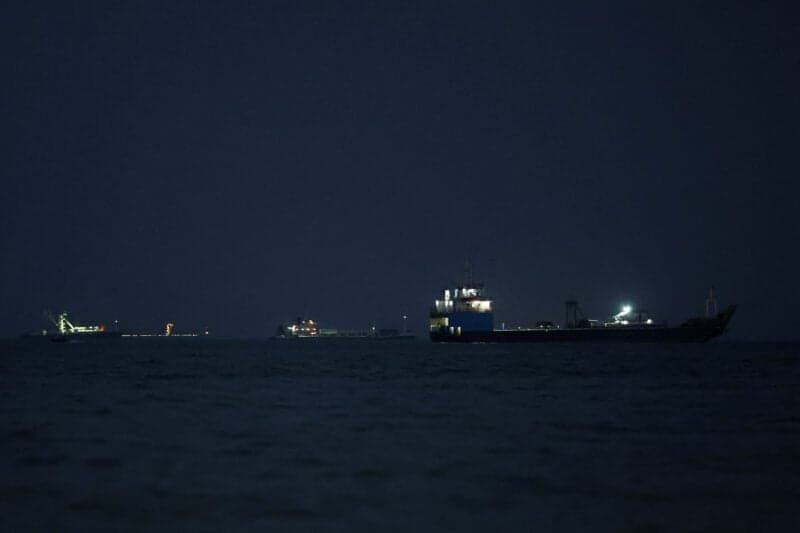
Two tankers, identified as carrying cooking fuel and linked to Iran, are currently navigating erratically in the Gulf of Oman and Arabian Sea. This unusual behavior, characterized by U-turns and zig-zagging, is a direct consequence of an aggressive enforcement of US sanctions against Iranian shipping. These vessels are part of a larger fleet transporting Iranian energy exports, which are now facing a robust blockade by the United States.
This situation underscores the persistent geopolitical tensions surrounding Iran's oil trade and the US's commitment to enforcing its sanctions regime. The US has consistently aimed to restrict Iran's ability to export oil and other energy products, viewing these exports as funding for activities it deems destabilizing.
For freight forwarders and shippers, this development signals heightened risks when dealing with cargo originating from or destined for Iran, or when chartering vessels that might have past or present links to Iranian trade. The aggressive enforcement of sanctions can lead to vessel detentions, diversions, increased insurance premiums, and potential legal repercussions. Operational managers should exercise extreme caution and conduct thorough due diligence on vessel history and ownership to avoid inadvertent breaches of sanctions. The unpredictability of vessel movements in critical waterways like the Gulf of Oman also introduces scheduling delays and supply chain disruptions.
The ongoing US enforcement actions suggest that similar incidents involving Iranian-linked vessels are likely to continue, potentially impacting shipping routes and increasing operational complexities in the region.