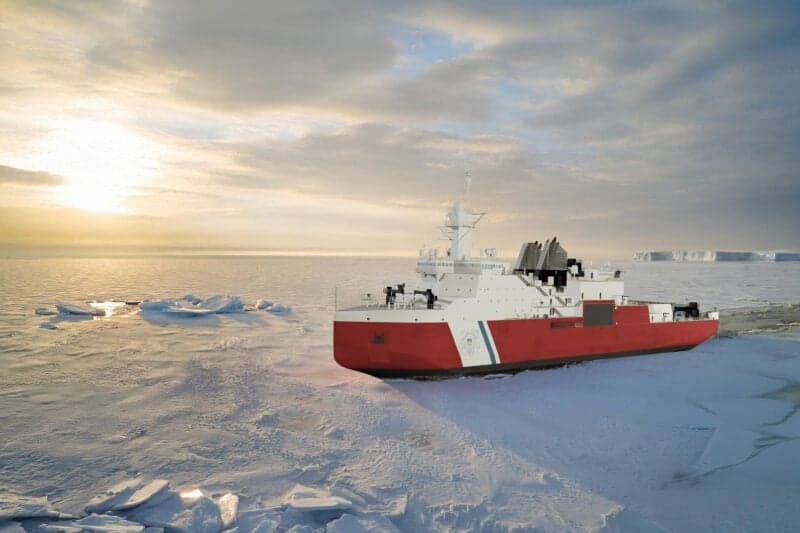
The U.S. Coast Guard's Polar Security Cutter (PSC) program is encountering substantial setbacks, with a new government accountability report forecasting the delivery of the initial heavy icebreaker in March 2033. This timeline represents a delay of almost ten years compared to the original schedule, highlighting significant challenges within the procurement process.
The program, which aims to replace the nation's aging icebreaker fleet, has also seen its projected costs escalate beyond $6 billion. These delays and cost increases raise questions about the U.S.'s ability to maintain a robust presence and operational capability in the Arctic region, which is increasingly vital for national security and commercial interests.
For freight forwarders and logistics professionals, while this program directly impacts military and strategic operations, the broader context of Arctic capabilities can indirectly influence future shipping routes and resource extraction projects. Delays in icebreaker availability could affect the feasibility and safety of commercial navigation in polar regions, potentially impacting specialized project cargo movements or future trade lanes through the Arctic. The increased costs also reflect the complex and demanding nature of constructing vessels for extreme environments, which can be a factor in other specialized maritime projects.
The report from the government watchdog underscores the need for improved oversight and management to prevent further slippage in this critical national defense initiative.