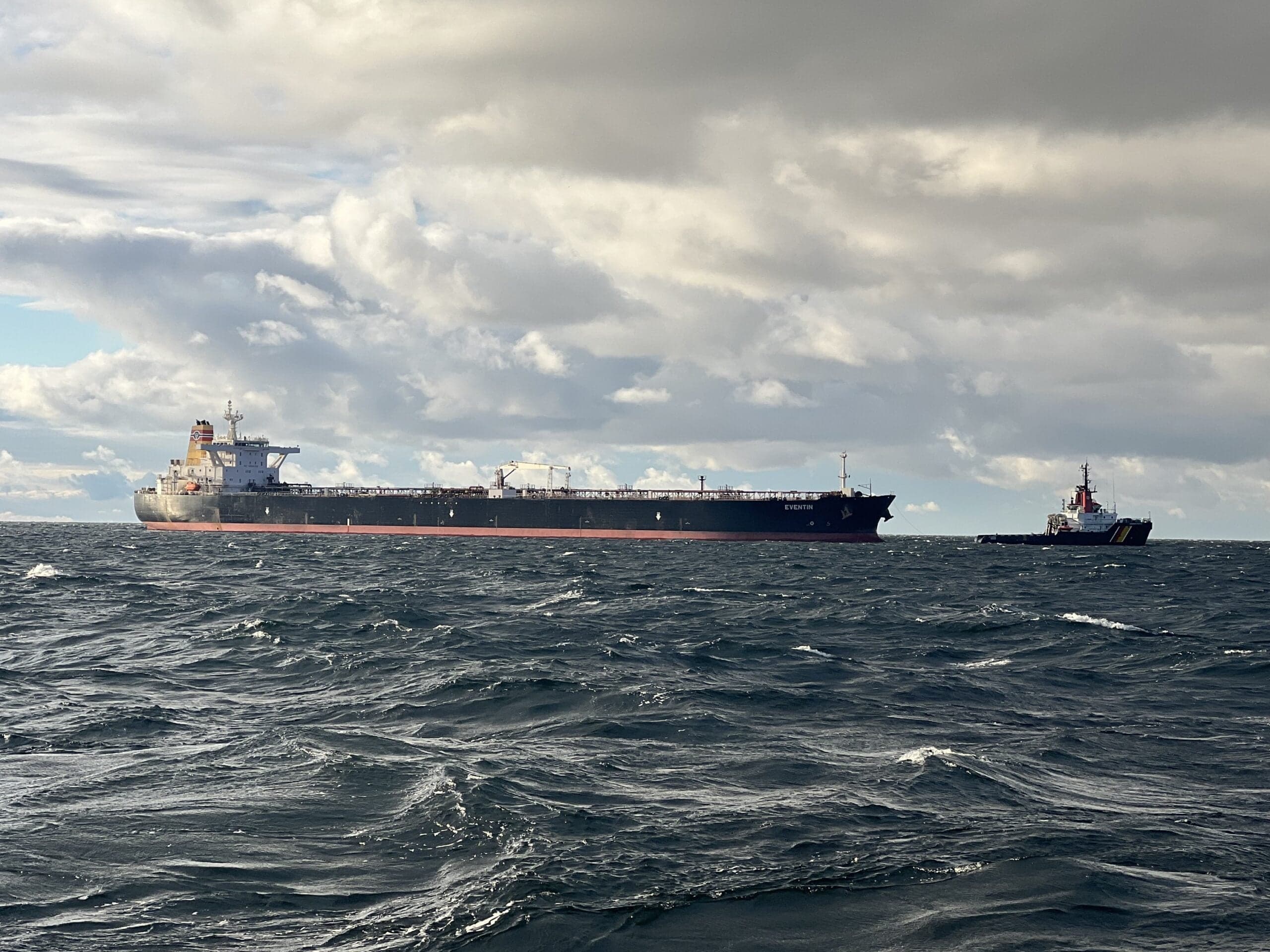
Global Marketing Systems (GMS), a prominent ship recycling company, indicates that a recent license issued by the U.S. government for the recycling of four sanctioned vessels could serve as a vital precedent. This authorization potentially offers a long-awaited legal and compliant method for the disposal of older ships, particularly those operating within the so-called 'shadow fleet'.
The 'shadow fleet' consists of older vessels, often operating under flags of convenience, with questionable ownership, inadequate insurance, and poor maintenance. These ships are frequently involved in transporting sanctioned goods, such as Russian oil, and pose significant environmental and safety risks due to their age and lack of regulatory oversight. The inability to legally recycle these vessels has contributed to their continued operation, exacerbating these concerns.
For freight forwarders and shippers, this development could eventually lead to a more stable and compliant global shipping environment. The removal of these high-risk vessels from circulation might reduce the overall capacity in specific niche markets, potentially impacting rates for certain types of cargo or routes. It also highlights the increasing focus on regulatory compliance and environmental standards in maritime transport, which forwarders must consider when selecting carriers and routes. While the immediate impact on mainstream container or bulk shipping is likely minimal, it signals a shift towards stricter enforcement and greater accountability in the broader maritime sector.
Should this licensing model be widely adopted, it could pave the way for a more systematic and environmentally sound retirement of the shadow fleet, reducing the risks associated with these vessels.