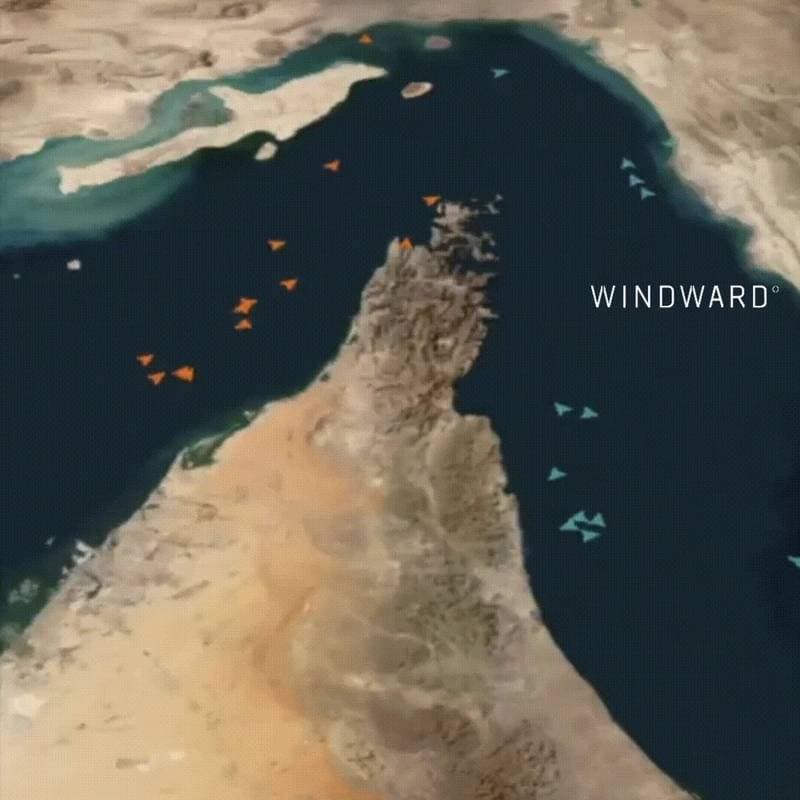
On July 6, the crude oil terminals on Kharg Island, Iran, experienced a significant operational shift. Both the western and eastern terminals, which had been less active, were reoccupied overnight by dark ballast tankers. These vessels were new arrivals, not present on July 5, indicating a fresh wave of crude oil loading operations.
This development suggests a potential increase in Iran's oil exports or a more dynamic scheduling of tanker movements from its primary oil export terminal. The Strait of Hormuz, a critical chokepoint for global oil trade, recorded 16 outbound vessel transits on the same day, highlighting the ongoing flow of maritime traffic through this sensitive region.
For freight forwarders and supply chain analysts, increased activity in this region, particularly involving crude oil, could signal shifts in global energy supply. While direct impact on container or general cargo rates is unlikely, heightened tanker traffic in the Strait of Hormuz warrants monitoring due to its geopolitical significance and potential for disruption, which could indirectly affect insurance premiums or routing decisions for vessels transiting the area.