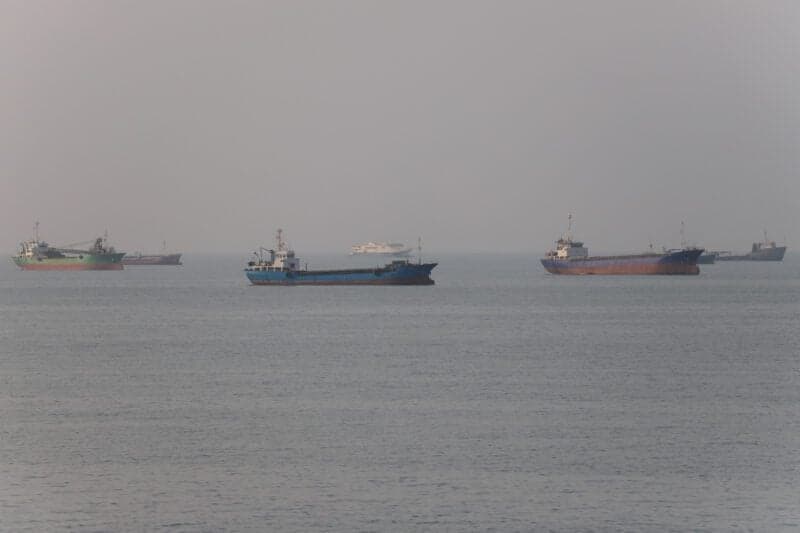
The governing council of the United Nations shipping agency recently agreed that member countries should reject Iran's efforts to impose sovereignty over the Strait of Hormuz. This includes opposing Tehran's "unilateral decision" to create a new body intended to control maritime traffic through the critical waterway.
This stance by the UN agency highlights ongoing international concerns regarding the security and freedom of navigation in the Strait of Hormuz, a choke point for global oil and gas shipments. Iran's past actions and statements regarding its control over the strait have frequently led to heightened tensions in the region.
For freight forwarders and shippers, any escalation or change in the status quo regarding the Strait of Hormuz could have significant implications. Increased Iranian control or attempts to regulate passage could lead to delays, higher insurance premiums (war risk), and potential re-routing of vessels, impacting transit times and costs for cargo moving through or near the Persian Gulf. This situation underscores the importance of monitoring geopolitical developments in key maritime trade lanes.
The UN agency's document serves as a diplomatic signal, but the practical implications for shipping will depend on how Iran responds and whether international pressure can deter such unilateral actions.