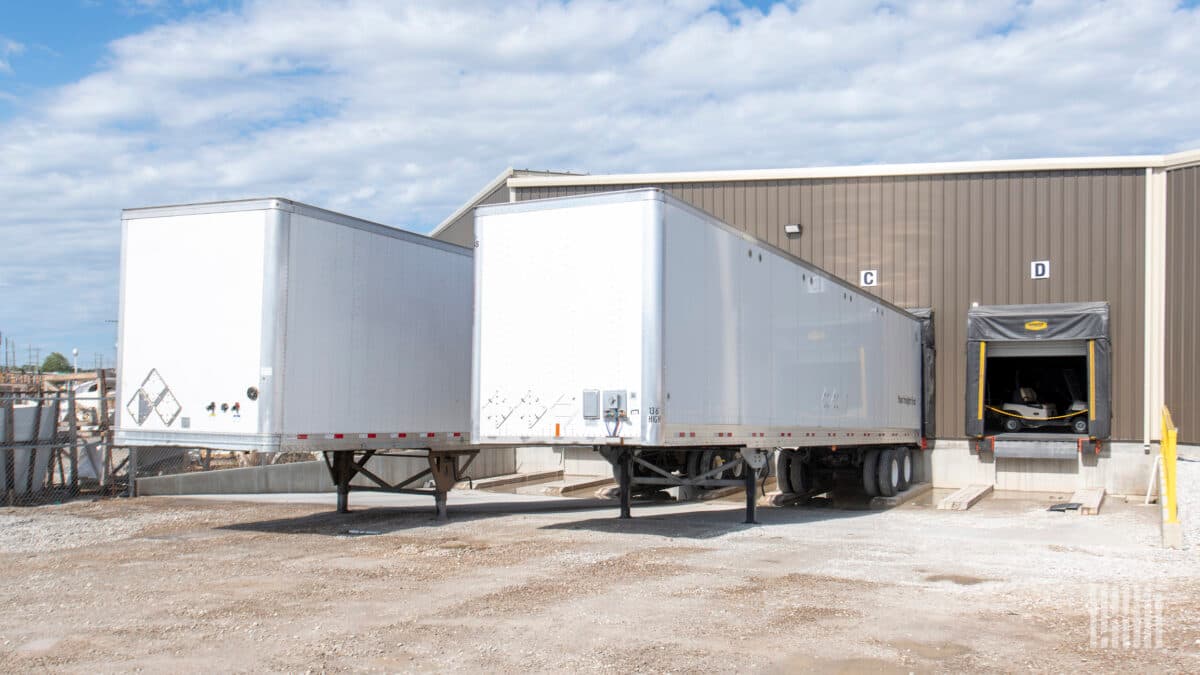
The trucking sector is currently experiencing a notable increase in trailer rental scams, specifically targeting owner-operators and motor carriers. These fraudulent activities involve criminals creating deceptive rental agreements for trailers, which are then used to exploit unsuspecting victims. This emerging threat adds another layer of complexity to the operational risks faced by logistics professionals, who are already contending with issues such as cargo theft and the proliferation of 'ghost trucks' – non-existent carriers used for illicit purposes.
For freight forwarders and operations managers, this trend means heightened due diligence is required when vetting carriers and ensuring the legitimacy of equipment used in transportation. While direct rate or capacity impacts are not immediately evident, the indirect consequences could include increased insurance costs, operational delays due to equipment disputes, and potential legal complications if a rented trailer turns out to be part of a scam. Forwarders should advise their carrier partners to verify all rental agreements thoroughly and use trusted platforms.
To mitigate risks, industry stakeholders are advised to implement stringent verification processes for all trailer rental transactions. This includes confirming the identity of the lessor, inspecting the physical condition and documentation of the trailer, and cross-referencing information with reputable industry databases. Staying informed about common scam tactics is essential for protecting assets and maintaining operational integrity.