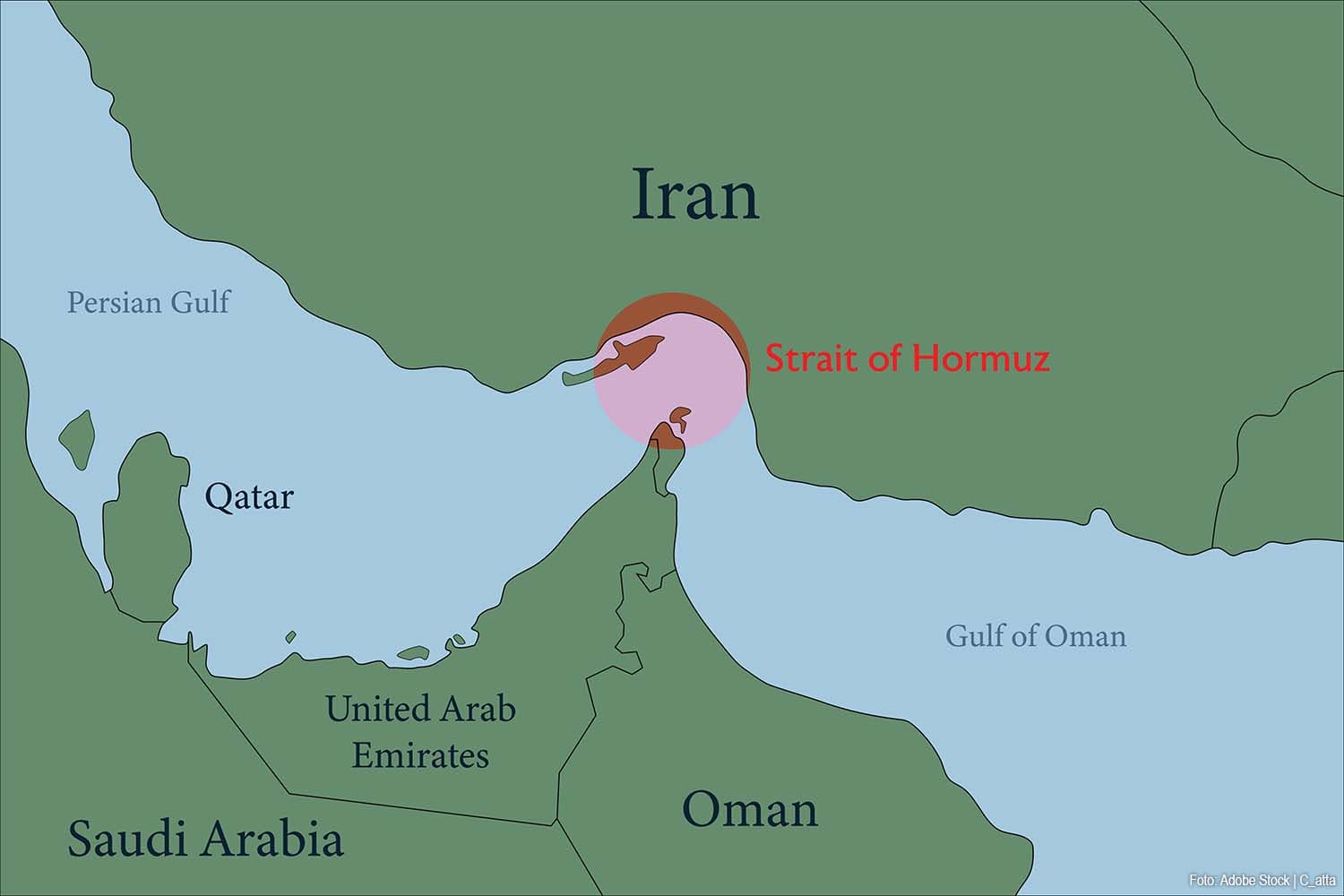
Former US President Donald Trump recently indicated that the United States might assume control over the Strait of Hormuz. In a telephone interview with Fox News, Trump stated that the US would "keep" and potentially "run" the strait, positioning the country as its "saving angel." This follows previous similar remarks by the former president.
The Strait of Hormuz is a strategically vital maritime passage connecting the Persian Gulf to the open ocean, through which a significant portion of the world's oil supply transits. Any move to assert control over this waterway by a single nation would likely be met with strong international opposition and could escalate regional tensions, particularly with Iran, which borders the strait.
For freight forwarders and shippers, such a development would introduce considerable uncertainty and risk. Increased geopolitical instability in the Strait of Hormuz could lead to significant disruptions in maritime trade, particularly for oil and gas shipments. This might result in higher war risk insurance premiums, re-routing of vessels, and potential delays, impacting global supply chains and freight rates. Forwarders would need to closely monitor the situation for any changes in transit advisories or security protocols, and potentially advise clients on alternative shipping routes or modes, though options for oil and gas are limited.


