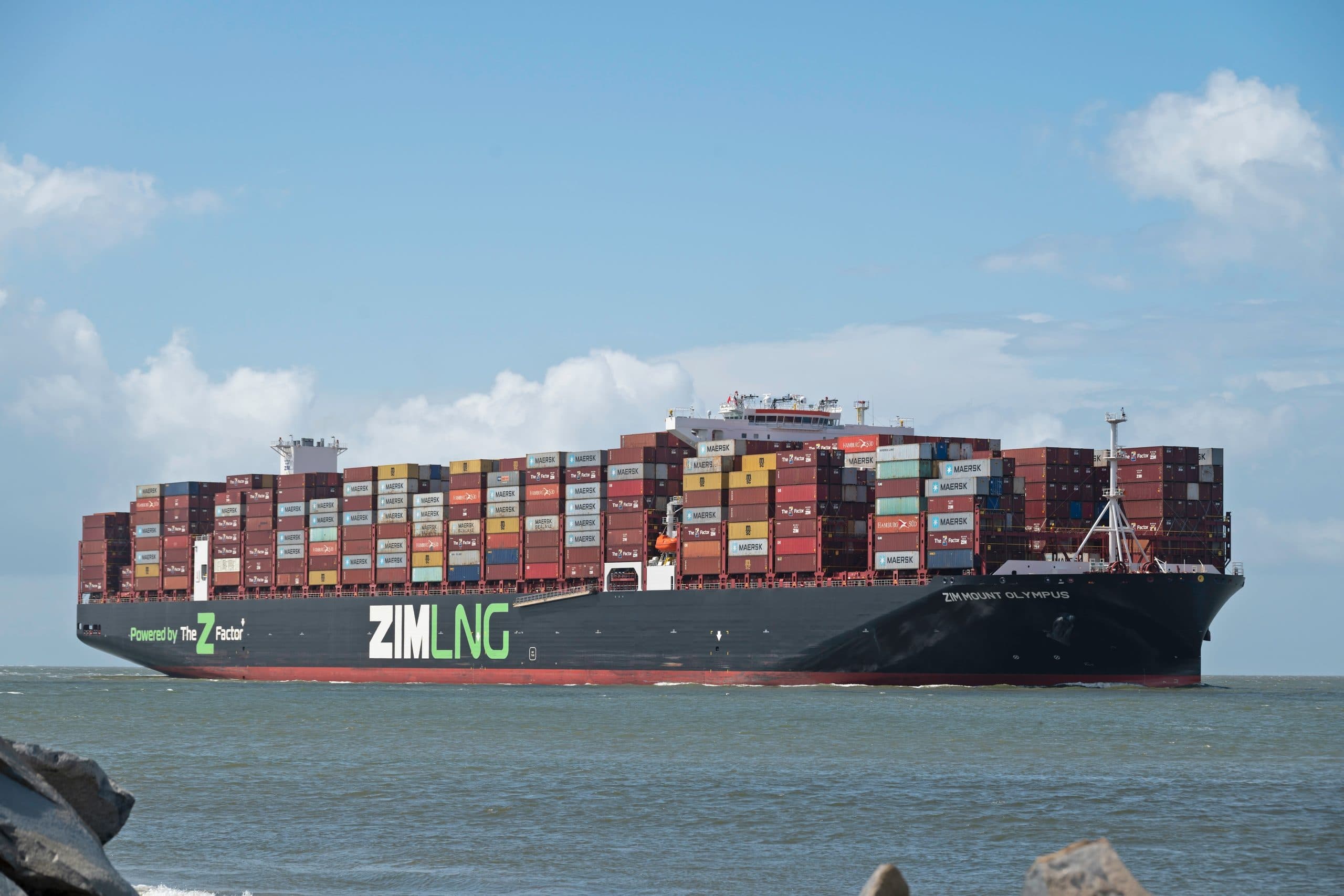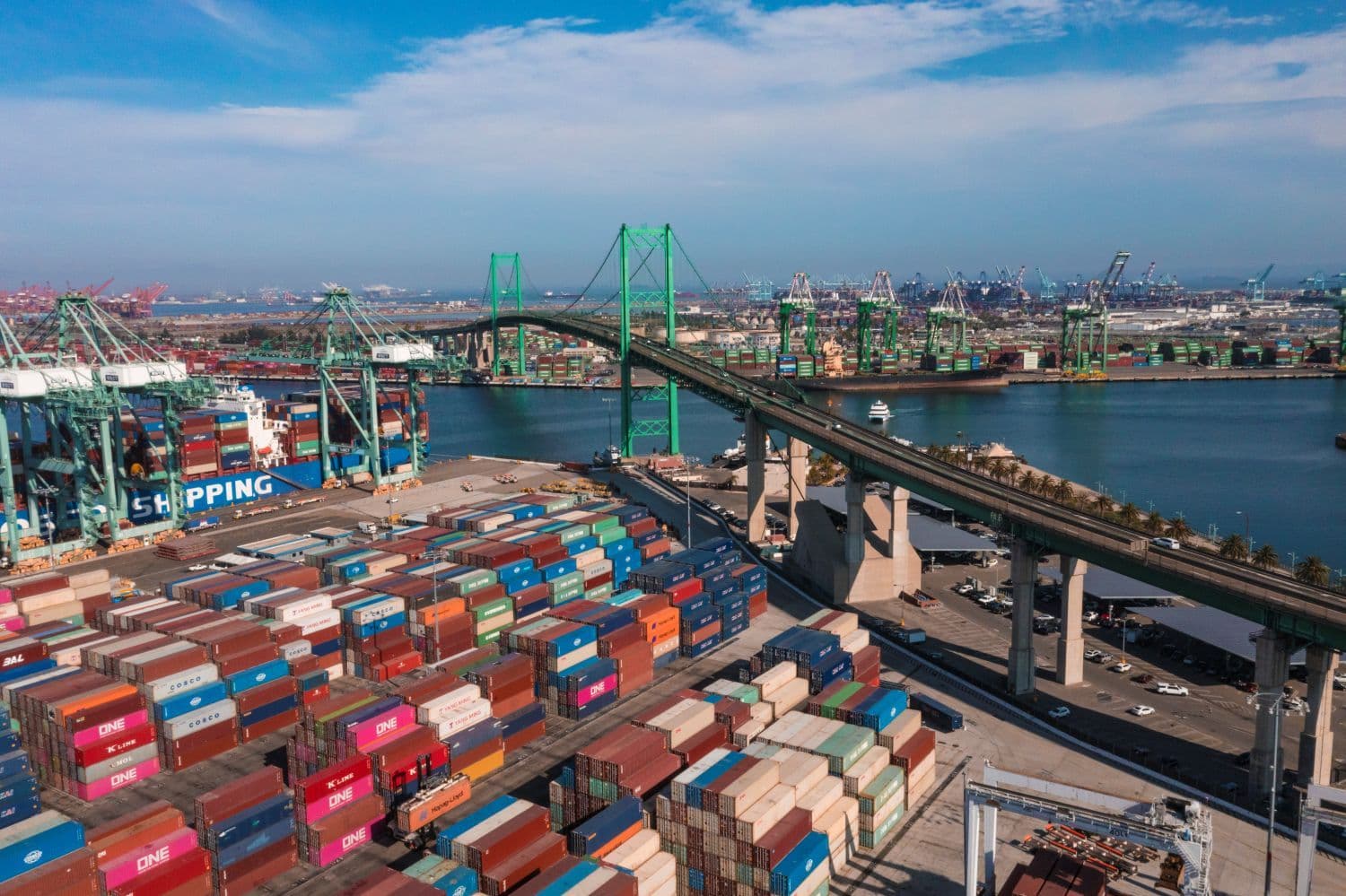
Trans-Pacific spot freight rates are projected to experience a downturn after a period of significant increases. This shift is primarily due to the introduction of new vessel capacity, particularly impacting the US West Coast. For the past four months, rates on this key trade lane have been on an upward trajectory, largely fueled by shippers frontloading cargo ahead of potential disruptions or peak seasons, coupled with a rise in bunker fuel prices.
For freight forwarders and operations managers, this potential softening of spot rates could offer some relief in procurement, especially for last-minute or uncontracted shipments. Increased capacity typically leads to more competitive pricing and potentially improved schedule reliability, though the latter is not explicitly stated. Shippers might find better opportunities for rate negotiation, while forwarders should closely monitor market dynamics to advise clients on optimal booking strategies. The end of the bull run suggests a return to more normalized market conditions, moving away from the volatile environment seen recently.