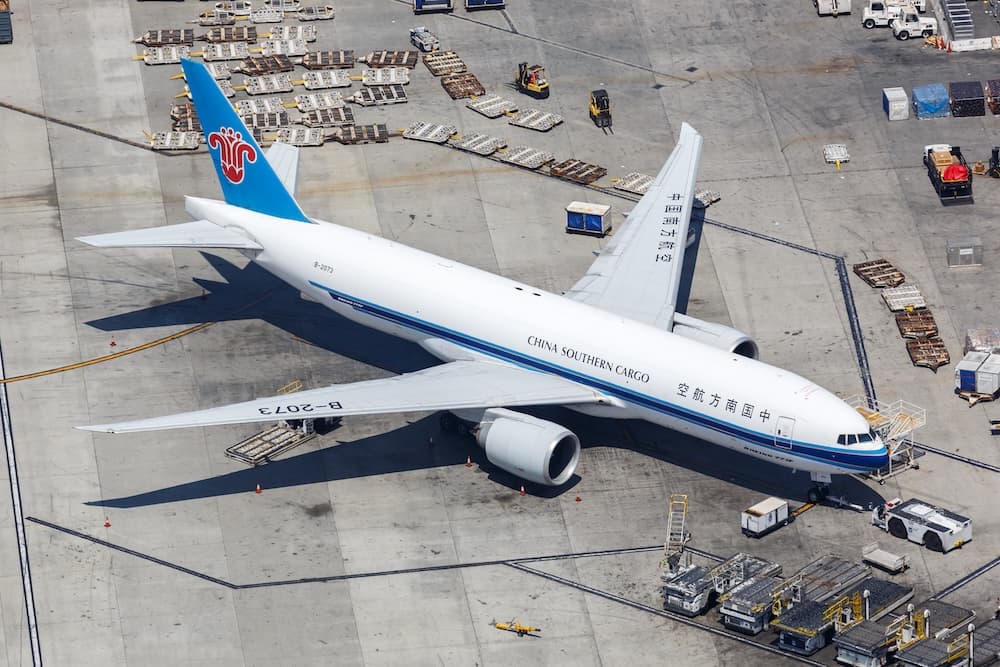
The airfreight corridor between the United States and China continues to be a critical artery for global trade, despite persistent geopolitical tensions. This route is sustained by the movement of high-value commodities, strong manufacturing connections, and a continued need for swift and dependable transportation services.
Cross-border e-commerce is a major force reshaping cargo flows across the Pacific. This trend is escalating the demand for adaptable air cargo capacity, faster handling processes, and enhanced digitalization within logistics operations. Businesses are increasingly seeking improved visibility, greater efficiency, and robust supply chain resilience to navigate trade uncertainties.
For freight forwarders and operations managers, this means a continued focus on securing flexible air cargo space, particularly for e-commerce volumes. The emphasis on speed and reliability will likely sustain premium rates for urgent shipments. Forwarders must also invest in digital tools to offer clients better tracking and supply chain insights, adapting to the evolving demands of a market influenced by both robust trade and geopolitical complexities.