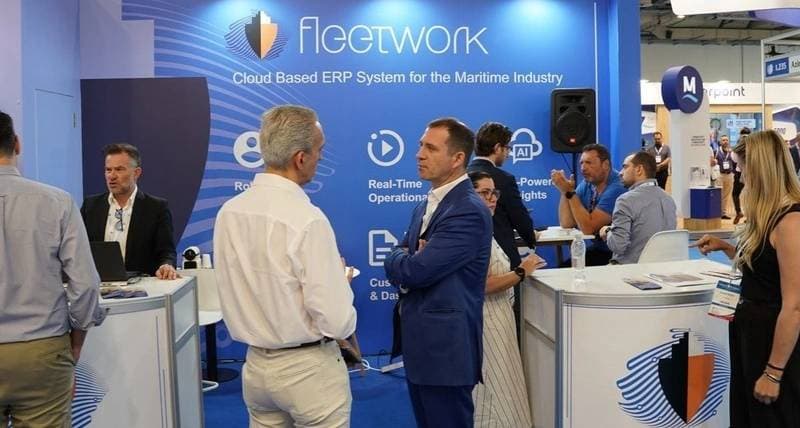
According to Fleetwork, a Greek maritime technology firm, the shipping sector is increasingly integrating artificial intelligence (AI) and cloud-native technologies into its core operations. This development, highlighted after their participation in Posidonia 2026, signifies a transition from these technologies being experimental innovations to becoming essential components of daily maritime business.
Historically, the maritime industry has been cautious in adopting new digital solutions. However, the growing complexities of global logistics, the demand for greater efficiency, and the need for enhanced data-driven decision-making have accelerated the embrace of advanced technologies like AI and cloud computing.
For freight forwarders and operations managers, this trend suggests a future with more streamlined and predictable shipping processes. Increased adoption of AI could lead to optimized vessel routing, improved predictive maintenance, and more accurate demand forecasting, potentially enhancing schedule reliability and reducing operational costs. Cloud-native platforms can facilitate better data sharing and collaboration across the supply chain, offering greater visibility into shipments and port operations. This could translate into more efficient booking processes, better capacity management, and quicker responses to disruptions.
The industry is expected to continue this trajectory, with further investments in digital infrastructure and AI-powered tools anticipated to drive efficiency and resilience in global shipping.