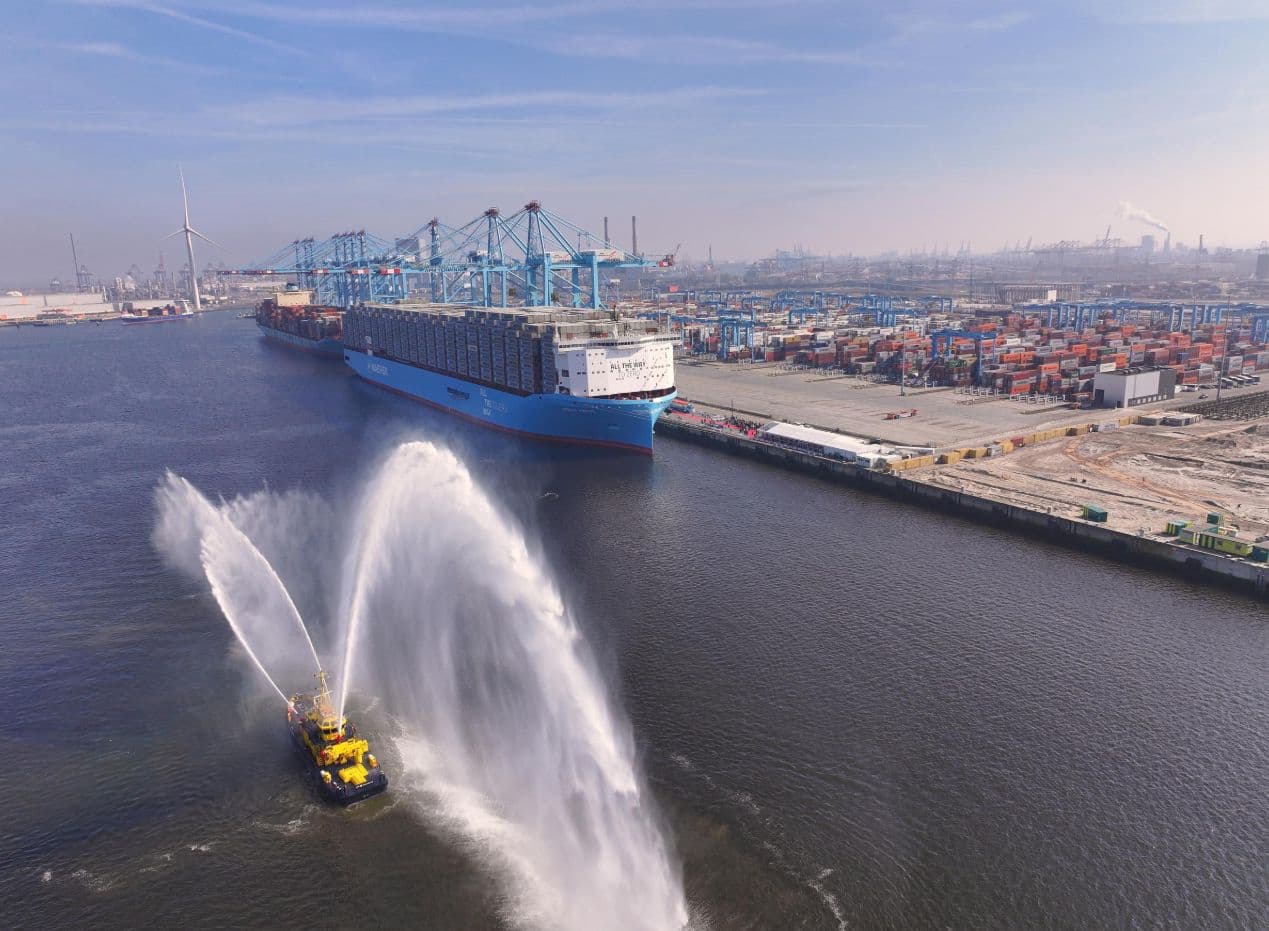
The Port of Rotterdam reported stagnant container throughput for the first half of the current year. While the port observed robust demand for direct imports, this positive trend was entirely offset by a sharp decline in transshipment volumes. This indicates that the port's existing container handling infrastructure is struggling to cope with the operational demands, particularly for cargo that needs to be transferred between vessels.
For freight forwarders and operations managers, this situation implies potential delays and reduced schedule reliability when routing cargo through Rotterdam, especially for transshipment services. The constrained capacity could lead to longer dwell times for containers and increased pressure on inland connections. Shippers might experience higher costs or need to explore alternative European gateways to avoid potential bottlenecks, particularly for time-sensitive cargo or complex multimodal movements involving transshipment.