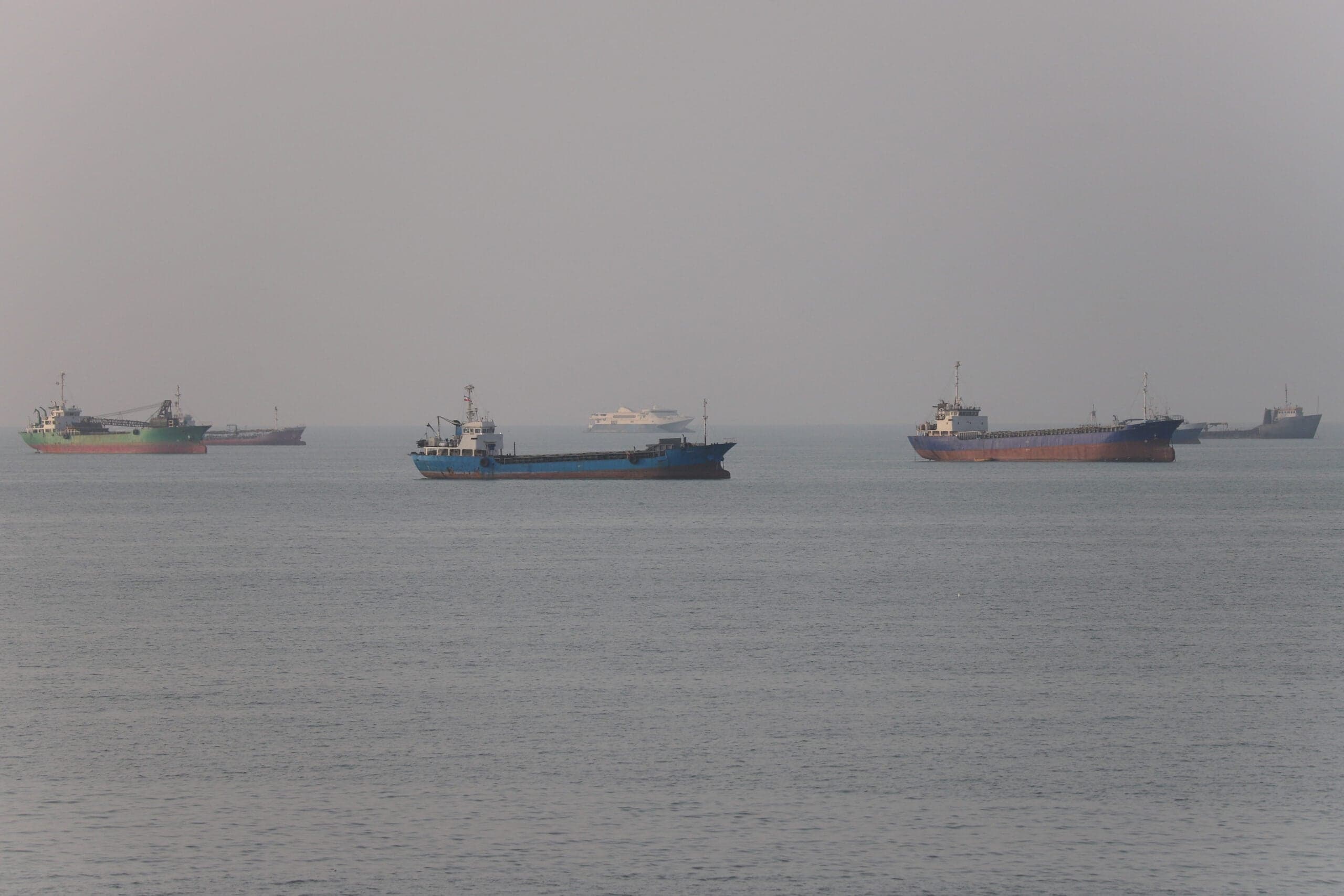
Oil prices saw an increase on Tuesday following reports of attacks on ships operating near the Strait of Hormuz. These incidents have reignited anxieties regarding the security of supply through this crucial maritime transit route.
The Strait of Hormuz is a strategically vital waterway, linking the Persian Gulf with the Arabian Sea and the broader Indian Ocean. A significant portion of the world's seaborne oil passes through this narrow passage daily, making it a critical chokepoint for global energy markets. Past incidents in the area have consistently led to market volatility and concerns over supply chain integrity.
For freight forwarders and shippers, renewed tensions in the Strait of Hormuz could translate into several operational impacts. Firstly, increased geopolitical risk in the region typically leads to higher war risk premiums for vessel insurance, which carriers often pass on to customers as surcharges. Secondly, any actual disruption or perceived threat could cause delays, rerouting, or even temporary suspensions of services, affecting schedule reliability. Lastly, the direct impact on oil prices will likely result in elevated bunker fuel costs, leading to higher Bunker Adjustment Factors (BAF) or fuel surcharges on ocean freight rates. Forwarders should monitor the situation closely for potential rate adjustments and operational changes.