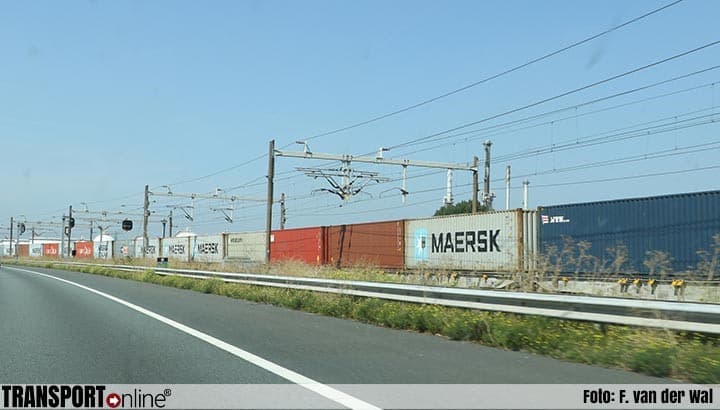
A recent report presented to the Dutch Parliament by State Secretary Annet Bertram (Infrastructure, CDA) indicates that the rail network within the Port of Rotterdam is reaching its operational limits. The study specifically identifies the Botlek and Waalhaven regions as critical areas where the existing rail infrastructure is struggling to cope with current demand.
The increasing volume of goods transported by rail, coupled with trains spending more time within the port area, is contributing to the congestion. This situation underscores the urgent need for strategic interventions to optimize rail usage and improve overall efficiency.
For freight forwarders and logistics managers, this development signals potential delays and operational challenges when moving cargo by rail through Rotterdam. Capacity constraints could lead to longer transit times, increased costs, and reduced schedule reliability. Forwarders should monitor the situation closely and consider alternative routing or modes if rail efficiency deteriorates. The need for more efficient rail operations means that future planning for intermodal connections will be crucial.
The report suggests that measures are required to manage rail traffic more effectively, although specific solutions were not detailed in the provided content. Addressing these capacity issues is vital for maintaining the port's role as a key European logistics hub and supporting the continued growth of rail freight.