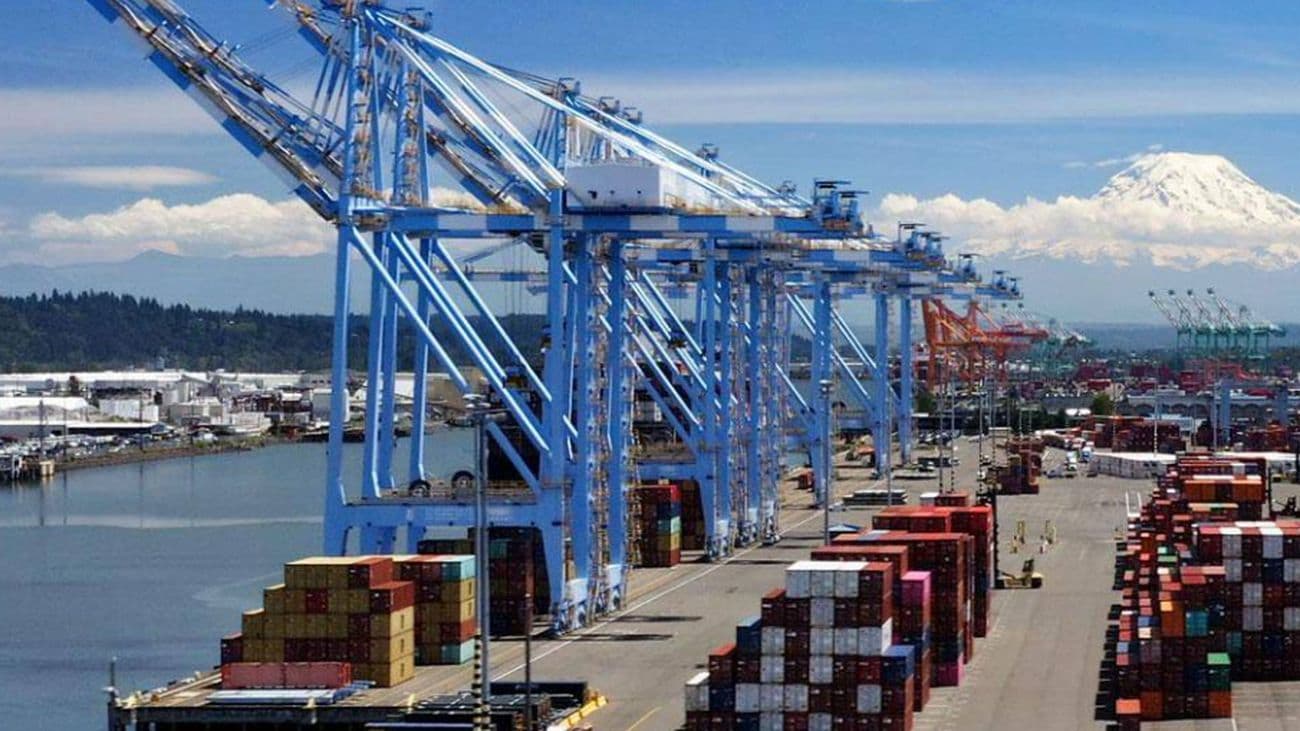
The Northwest Seaport Alliance (NWSA), which manages marine cargo operations for the ports of Seattle and Tacoma, has reported a substantial reduction in its container volumes. As of the latest figures, total year-to-date throughput reached 1,433,525 TEUs, marking a 12.4% decline compared to the previous year. This downturn indicates a challenging period for the Pacific Northwest's major shipping gateways.
For freight forwarders and operations managers, this sustained volume reduction at key West Coast ports like Seattle and Tacoma could signify several things. It might point to ongoing shifts in trade patterns, potentially away from the US West Coast, or a general softening of import demand. This could lead to reduced port congestion and potentially more competitive pricing for drayage and terminal services in the short term. However, it also highlights a potential decrease in available capacity on some outbound routes as carriers adjust their networks to lower demand.
While the article does not specify the exact causes, such declines are often influenced by factors such as economic slowdowns, inventory corrections by shippers, and changes in carrier service rotations. Forwarders should monitor these trends closely as they can impact vessel schedules, equipment availability, and overall supply chain fluidity through the Pacific Northwest.