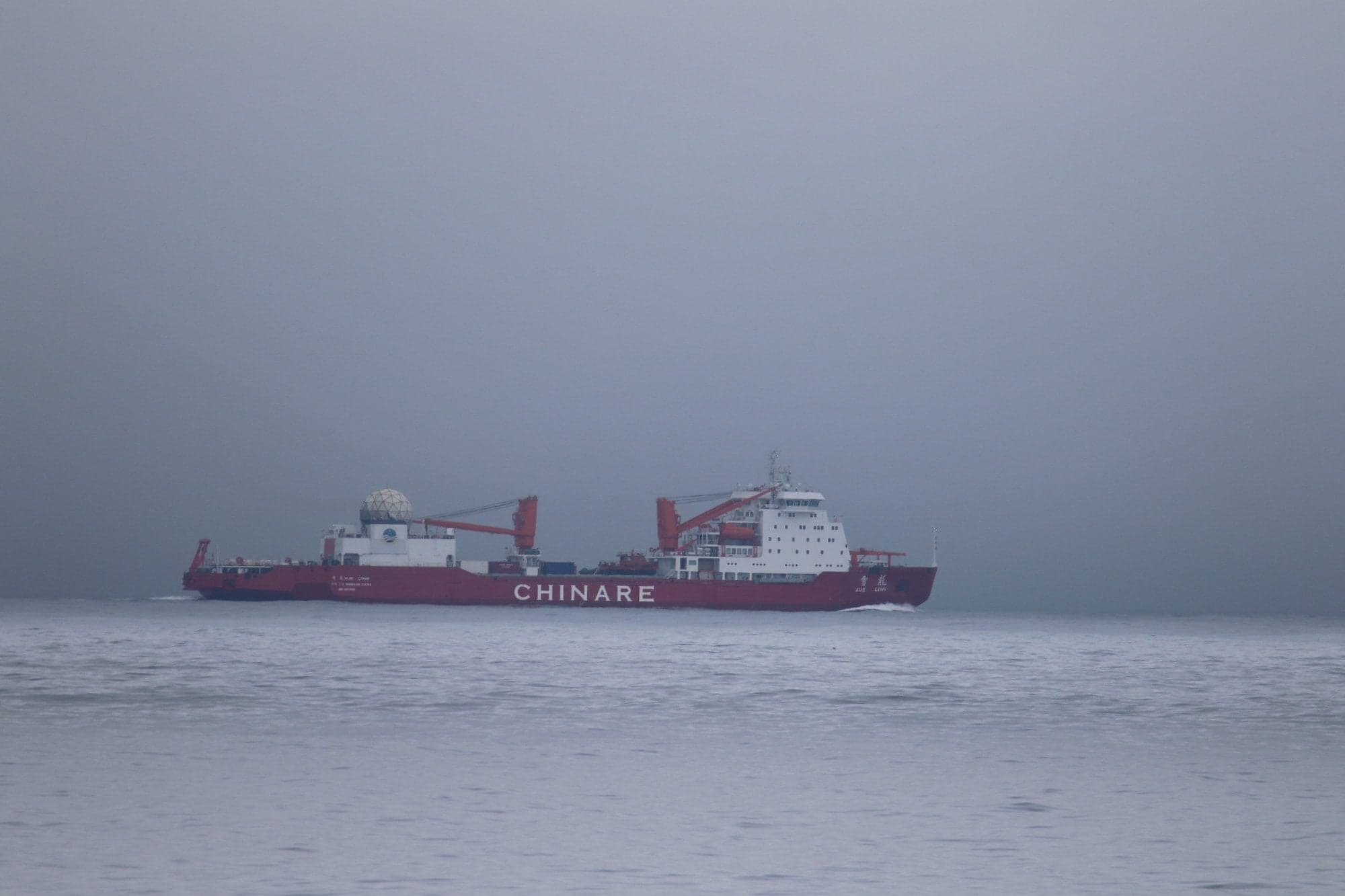
The United States Coast Guard has confirmed it is actively monitoring two Chinese research icebreakers as they proceed northward through the Bering Sea, heading towards the Arctic region. This event signifies the first recorded instance of Chinese vessels transiting through U.S.-controlled Arctic waters. The monitoring operation underscores the growing strategic importance of the Arctic, particularly concerning international shipping lanes and resource access.
For freight forwarders and supply chain managers, this development highlights the increasing geopolitical focus on the Arctic. While commercial Arctic shipping routes are not yet widely utilized due to challenging conditions and limited infrastructure, the presence of research vessels from major global powers suggests a long-term interest in developing these pathways. This could eventually lead to new, shorter transit routes between Asia, Europe, and North America, potentially impacting future ocean freight rates and transit times. However, such routes would also introduce new operational complexities, including extreme weather, ice navigation, and limited search and rescue capabilities.
The ongoing surveillance by the U.S. Coast Guard reflects national security concerns and the need to assert sovereignty in strategically vital maritime areas. The Arctic's melting ice caps are making it more accessible, drawing attention from nations keen on exploring its potential for trade, natural resources, and scientific research. Future developments in this region could reshape global maritime logistics, though significant infrastructure and regulatory frameworks would be required before widespread commercial adoption of Arctic routes.