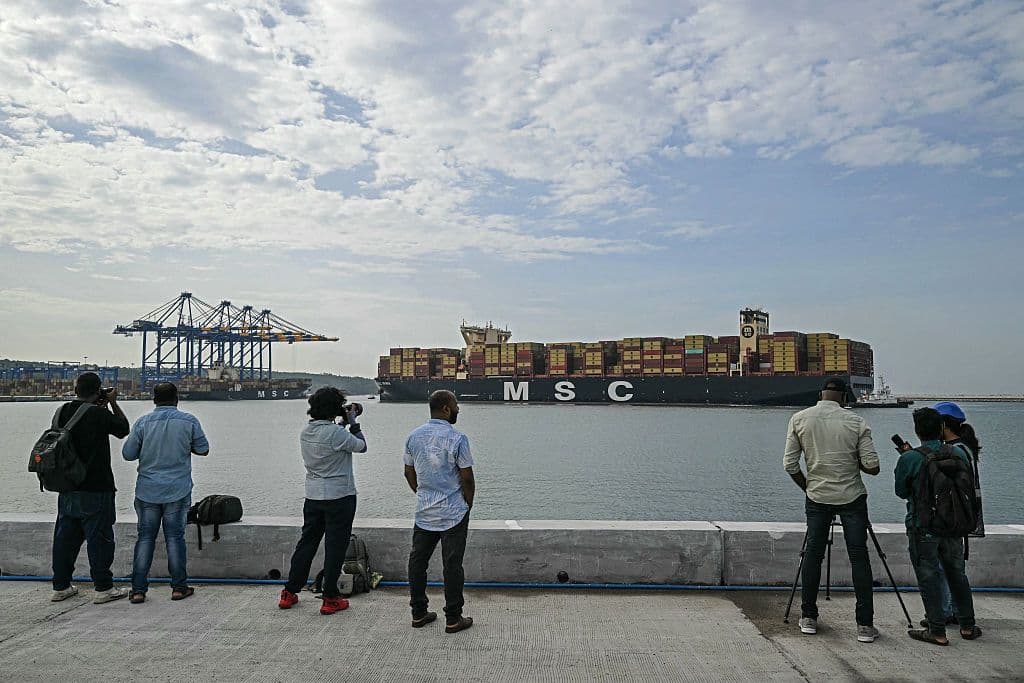
The global shipping industry is on the brink of facing significant overcapacity due to the imminent delivery of numerous mega-ships, each with capacities of 18,000 TEUs or more. According to analyst Jeremy Masters, these new vessels will not only reshape deepsea shipping routes but also impact the operational dynamics of terminals and regional logistics systems that support these extensive networks.
This surge in vessel capacity is a result of a substantial orderbook placed during periods of high demand and profitability, particularly in the wake of pandemic-related supply chain disruptions. Carriers invested heavily in larger ships, anticipating continued growth, but the market has since softened, leading to concerns about future supply-demand imbalances.
For freight forwarders and operations managers, this impending overcapacity could translate into several key impacts. Initially, it may lead to increased competition among carriers, potentially driving down freight rates on major trade lanes as lines vie to fill their larger ships. While this might offer some cost relief for shippers, it could also result in more blank sailings or service adjustments as carriers attempt to manage capacity. Forwarders should monitor carrier announcements closely for route changes, schedule reliability fluctuations, and potential port congestion if existing infrastructure struggles to handle the increased vessel size and cargo volumes efficiently. The shift could also necessitate adjustments in feeder networks and inland logistics to accommodate the larger volumes discharged at primary hub ports.
As these mega-ships enter service, the industry will likely see carriers strategically deploying them on the busiest deepsea routes, particularly between Asia and Europe or across the Pacific. This could intensify the cascade effect, pushing slightly smaller, but still large, vessels onto secondary trade lanes, thereby spreading the overcapacity challenge across a broader spectrum of global shipping.