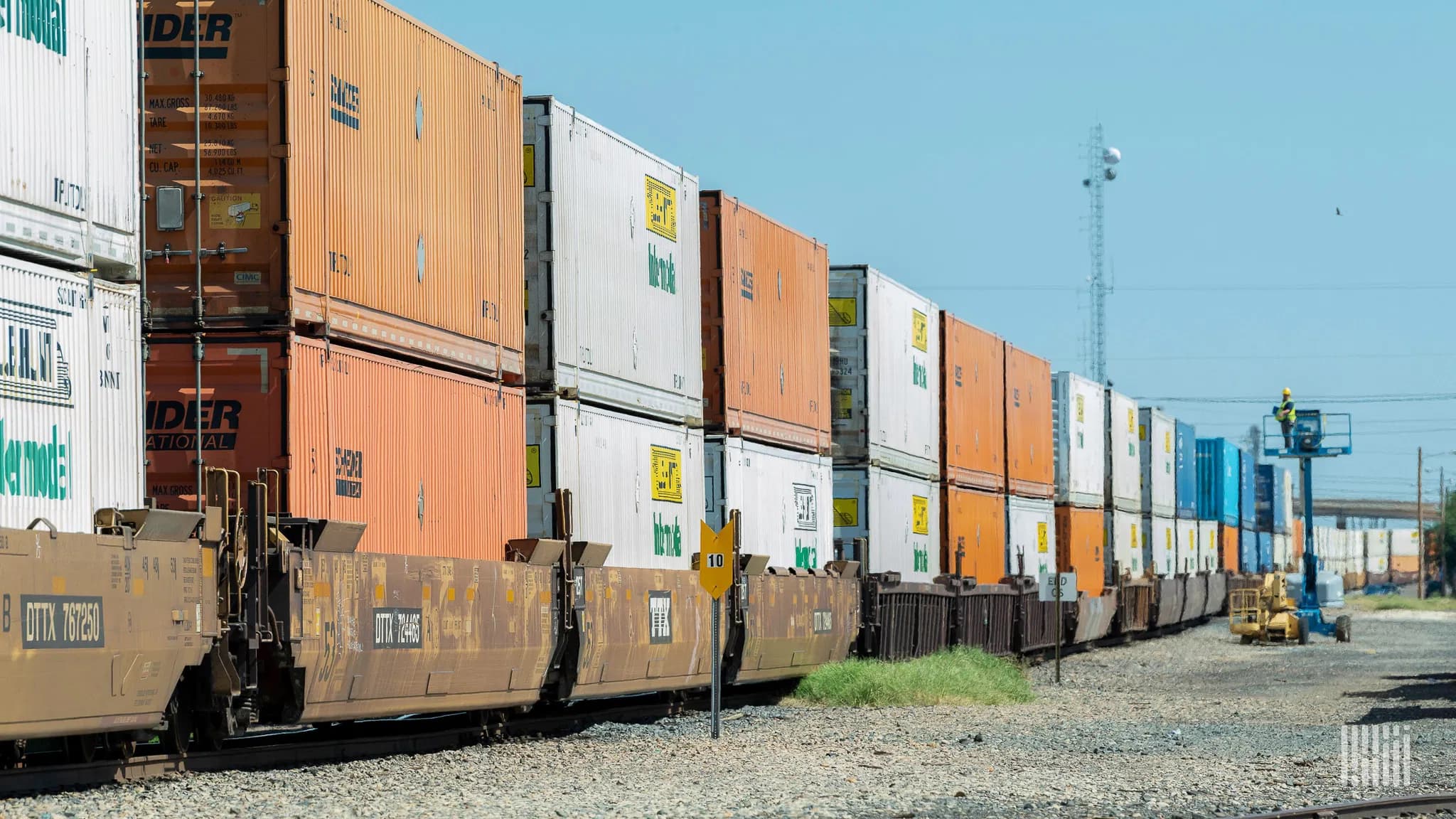
Recent analyses reveal a slowdown in intermodal rail freight volumes, despite overall figures still showing a considerable increase compared to the previous year. This deceleration suggests that while the sector has experienced growth, the pace is now moderating. Industry observers point to potential network issues as a primary cause for the reduced speed of traffic movement.
For freight forwarders and shippers, this trend could translate into several operational challenges. Slower traffic movement on rail networks may lead to extended transit times, impacting supply chain predictability and inventory management. Forwarders should anticipate potential delays and consider building additional buffer time into their schedules for intermodal shipments. Furthermore, reduced network efficiency might necessitate exploring alternative transport modes or adjusting routing strategies to mitigate risks. Close communication with rail carriers and continuous monitoring of service performance will be crucial for managing client expectations and maintaining shipment integrity.
While the article does not specify future outlooks, the current slowdown indicates a need for vigilance regarding rail network performance.