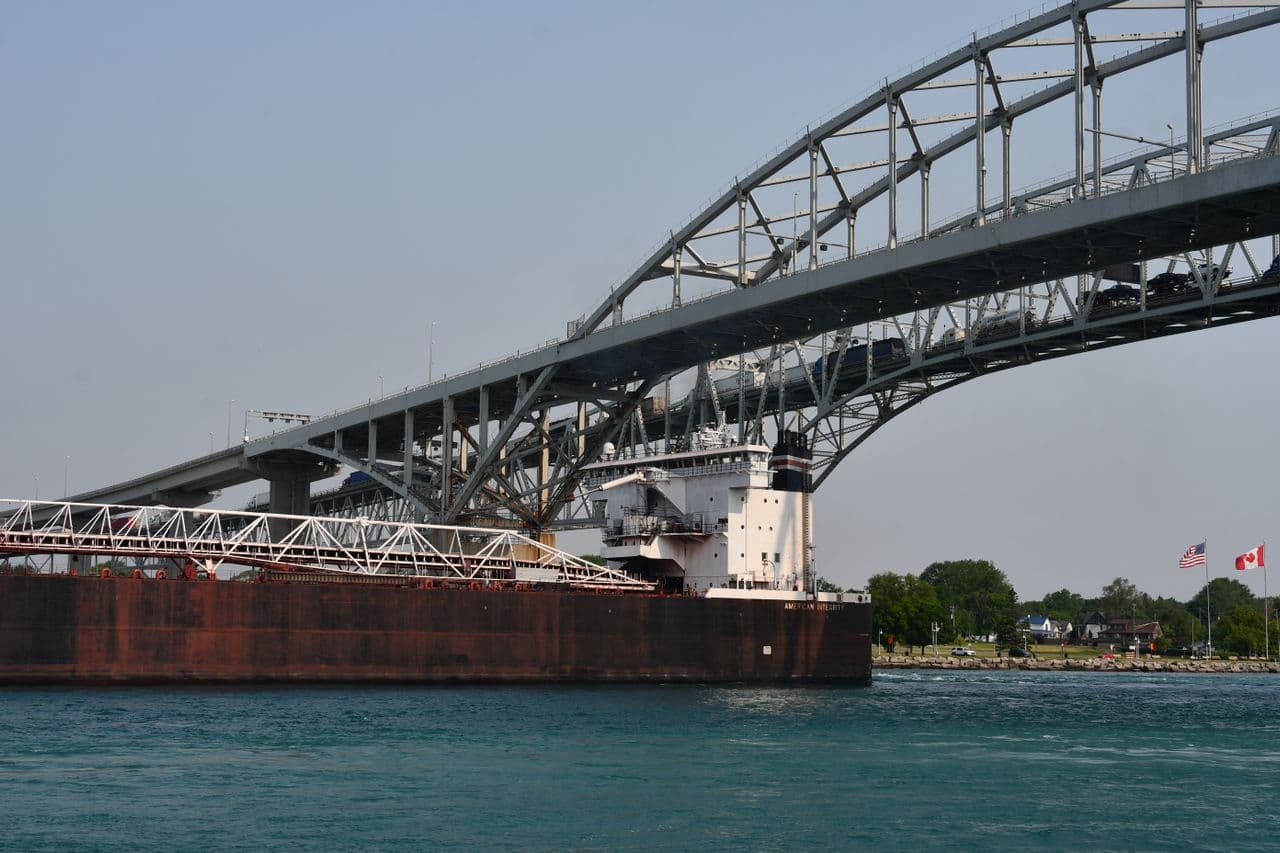
Regulations implemented in the Great Lakes have successfully addressed maritime pollution, specifically preventing the estimated 80 million liters of oil that annually leak from propeller shafts. This regional achievement serves as a significant example of how local environmental protection measures can contribute to broader global ocean health initiatives. The effectiveness of these rules is particularly relevant as the High Seas Treaty (BBNJ Agreement) officially comes into force, aiming to protect marine biodiversity in areas beyond national jurisdiction.
For freight forwarders and operations managers, this development underscores the increasing focus on environmental compliance within the maritime sector. While the Great Lakes regulations directly impact vessels operating in that specific region, the success story could inspire similar mandates in other sensitive waterways or even become a model for broader international shipping standards. This trend towards stricter environmental controls may lead to increased operational costs for vessel upgrades or maintenance to comply with new requirements, potentially affecting vessel availability or routing decisions in the long term. Forwarders should monitor the adoption of such regulations globally, as they could influence carrier selection and supply chain planning to ensure compliance and avoid potential penalties.