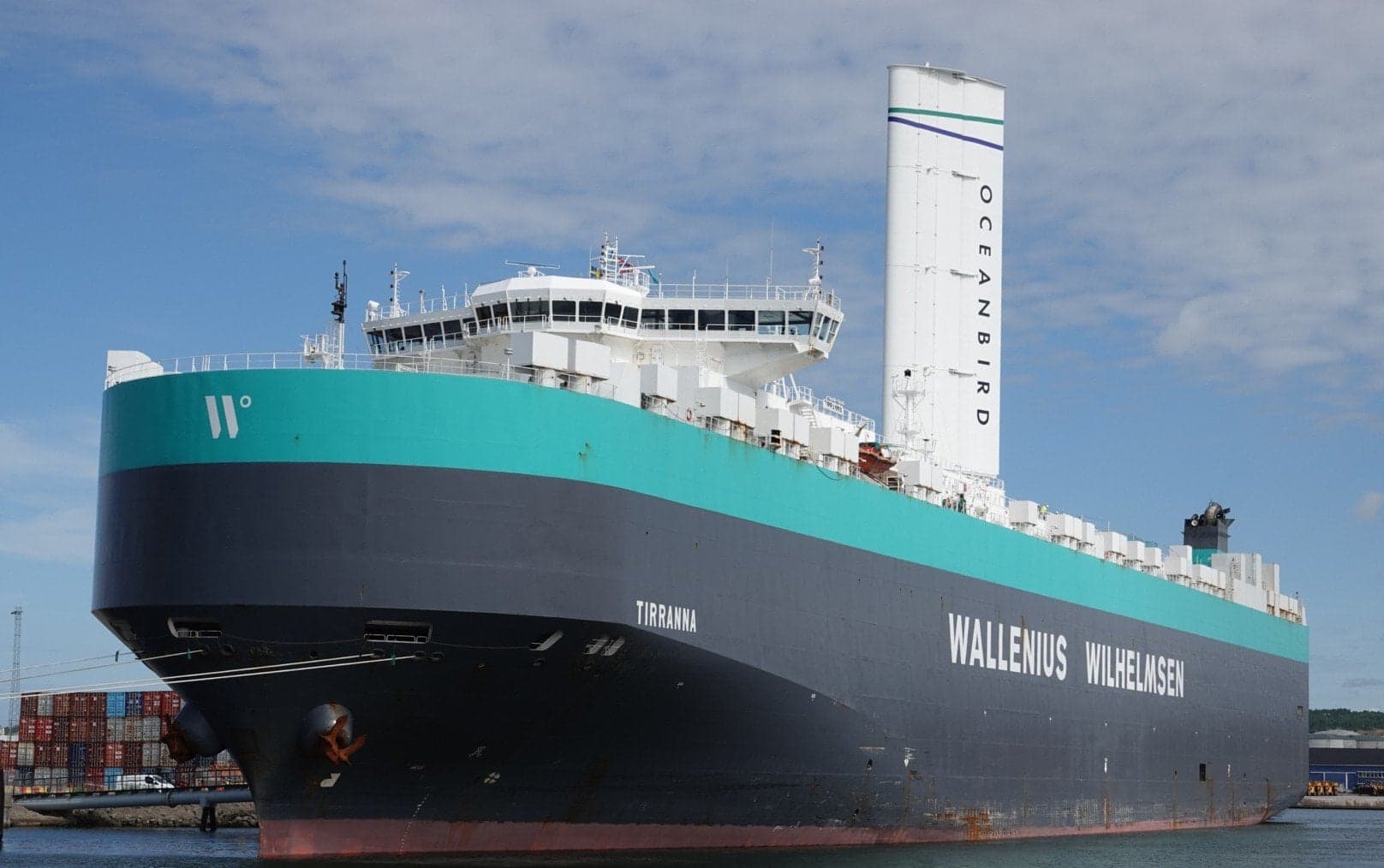
Testing has officially begun for the first wing-sail system integrated onto a car carrier vessel. This initiative represents a notable advancement in maritime technology, aiming to leverage wind power to augment propulsion and thereby decrease fuel consumption and greenhouse gas emissions within the automotive shipping industry.
This development is part of a broader industry trend towards decarbonization and the adoption of alternative propulsion methods. As regulatory pressures intensify and fuel costs remain volatile, shipping companies are exploring various solutions to achieve sustainability targets.
For freight forwarders and operations managers, the successful implementation and widespread adoption of such technologies could lead to more environmentally friendly shipping options for vehicles. While immediate impacts on rates or capacity are unlikely during the testing phase, long-term success could contribute to more stable and potentially lower operational costs for carriers, which might eventually translate into more competitive freight rates. It also signals a shift towards greener supply chain practices, which forwarders may need to consider when advising clients on shipping routes and carrier selections.
Future developments will likely involve further data collection on performance, efficiency gains, and operational reliability of the wing-sail system in various sea conditions. If successful, this could pave the way for similar installations across other vessel types and potentially influence newbuild designs.