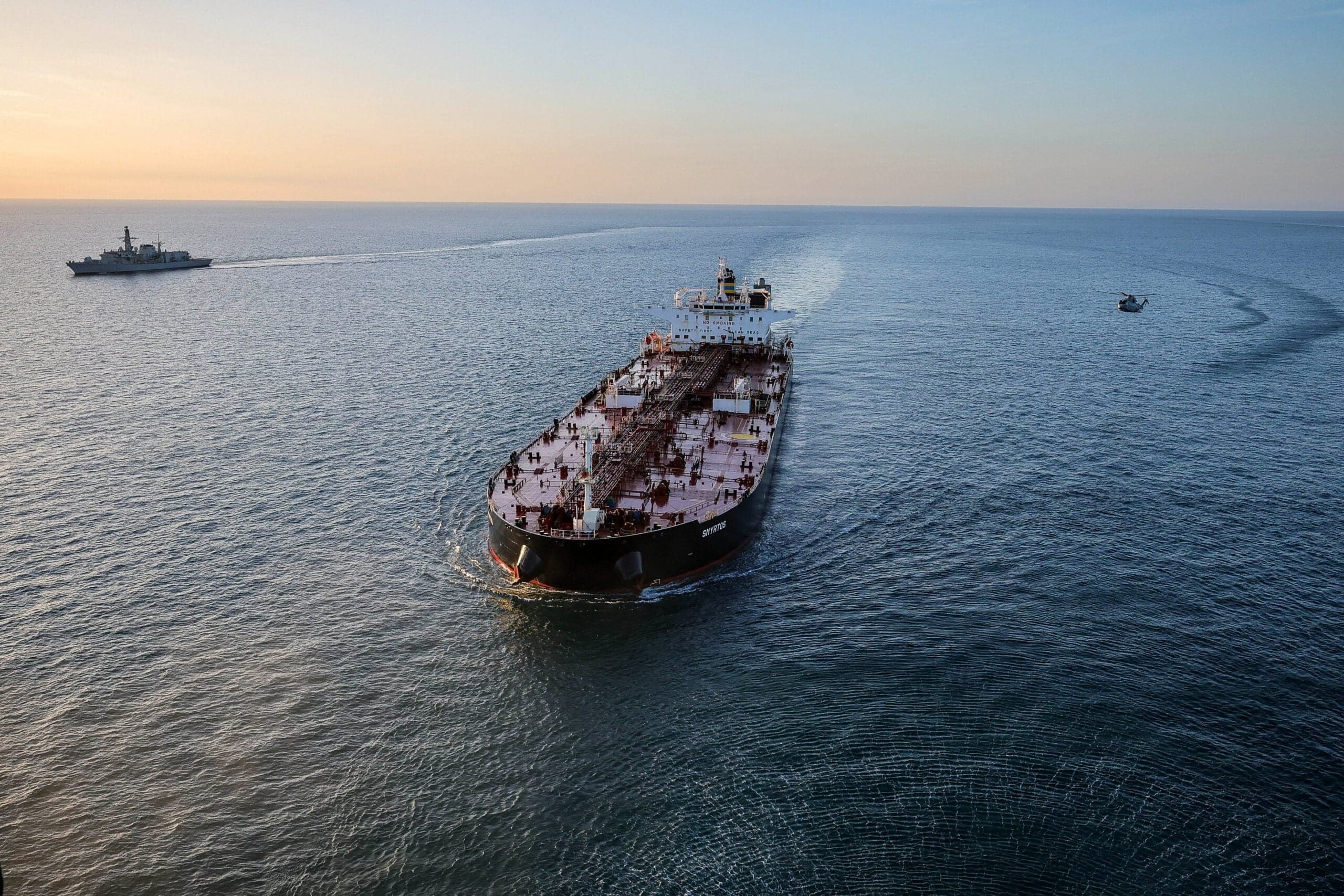
European nations are reportedly stepping up their enforcement actions against the "shadow fleet" of tankers involved in transporting Russian oil, specifically targeting vessels that are falsely registered under the Cameroon flag. These intensified measures include boarding vessels at sea, indicating a more aggressive approach to combating sanctions evasion.
This crackdown is part of broader international efforts to enforce sanctions imposed on Russia and ensure compliance with the G7 price cap on Russian oil. The use of false flag registrations is a common tactic employed by the shadow fleet to obscure ownership, origin, and destination of cargo, thereby circumventing regulatory oversight and sanctions.
For freight forwarders and operations managers, this development signals increased scrutiny on vessel documentation and ownership. Shippers involved in oil and gas logistics, even indirectly, may face heightened due diligence requirements. The risk of delays, detentions, or even seizure of vessels could rise for any cargo associated with these illicit networks. This also highlights the importance of thorough vetting of carriers and their registries to avoid inadvertent involvement in sanctions-busting activities. The operational costs for the shadow fleet are likely to increase due to these enforcement actions, potentially affecting the availability and pricing of their services.
While the article does not explicitly state next steps, it implies that European authorities will continue to monitor and interdict vessels suspected of illicit activities, potentially leading to further investigations into the entities facilitating these false registrations.