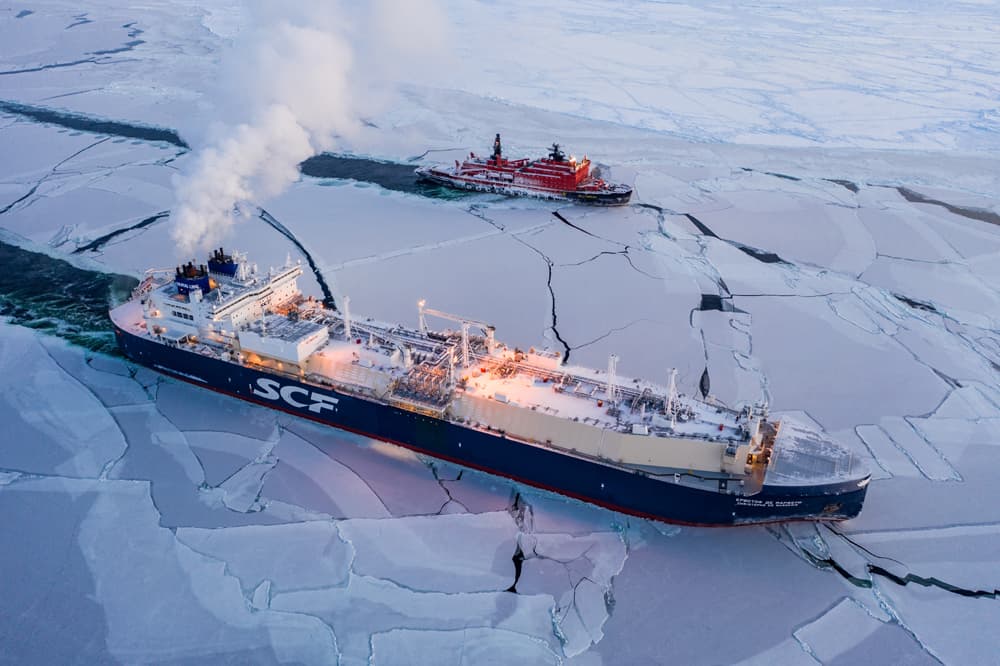
Danish shipyard Fayard is reportedly facing significant pressure due to its involvement in the repair and maintenance of LNG carriers that serve Russian interests. This development brings to light the intricate challenges within the maritime industry as companies attempt to comply with international sanctions while maintaining commercial operations.
The context for this scrutiny stems from the broader geopolitical landscape, particularly the ongoing conflict in Ukraine and the subsequent sanctions imposed on Russia by numerous countries. While direct sanctions on ship repair might vary, companies are often expected to demonstrate due diligence regarding the ultimate beneficiaries and operational routes of vessels they service. The repair of vessels involved in Russian energy exports, even if not directly sanctioned, can lead to reputational damage and calls for stricter adherence to the spirit of sanctions.
For freight forwarders and supply chain analysts, this situation underscores the increasing importance of understanding the full ownership and operational context of maritime assets. It highlights potential risks for any service provider, including shipyards, that engage with vessels linked to sanctioned entities or regions. Such pressures could lead to more stringent vetting processes for vessel repairs and potentially impact the availability of certain services for specific fleets, adding another layer of complexity to vessel maintenance and scheduling. While there is no immediate direct impact on freight rates or capacity, the broader trend of increased scrutiny on Russian-linked assets could indirectly affect insurance, financing, and operational costs for such vessels in the long term.
The article does not specify any immediate next steps or official actions against Fayard, but the pressure suggests a growing demand for transparency and accountability from maritime service providers regarding their dealings with entities connected to sanctioned nations.