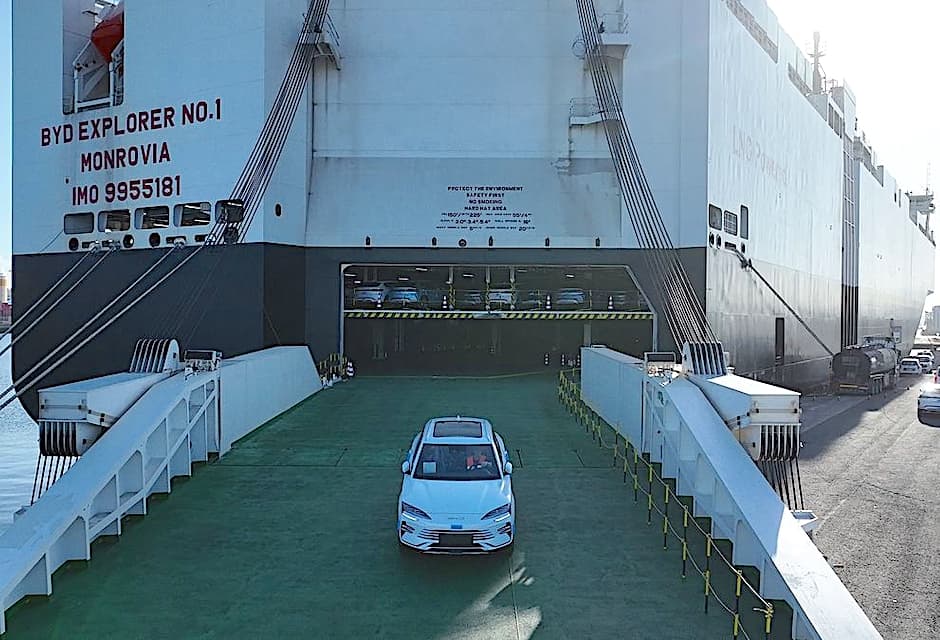
Chinese automotive manufacturers are resorting to alternative shipping methods, such as container vessels, flat racks, and multipurpose ships, to move their vehicles internationally. This strategic adjustment is a direct consequence of the severe shortage of available capacity on Pure Car and Truck Carriers (PCTCs), which are purpose-built for vehicle transport.
For freight forwarders and operations managers, this trend indicates continued pressure on traditional PCTC services. Shippers of vehicles may face higher costs and longer transit times due to the need for specialized handling and securing when using non-PCTC vessels. Capacity for other cargo types on container and multipurpose vessels might also see minor fluctuations as these ships are diverted to automotive transport. Forwarders should anticipate potential delays and increased complexity in booking and executing vehicle shipments, requiring more robust planning and coordination with carriers and terminals.