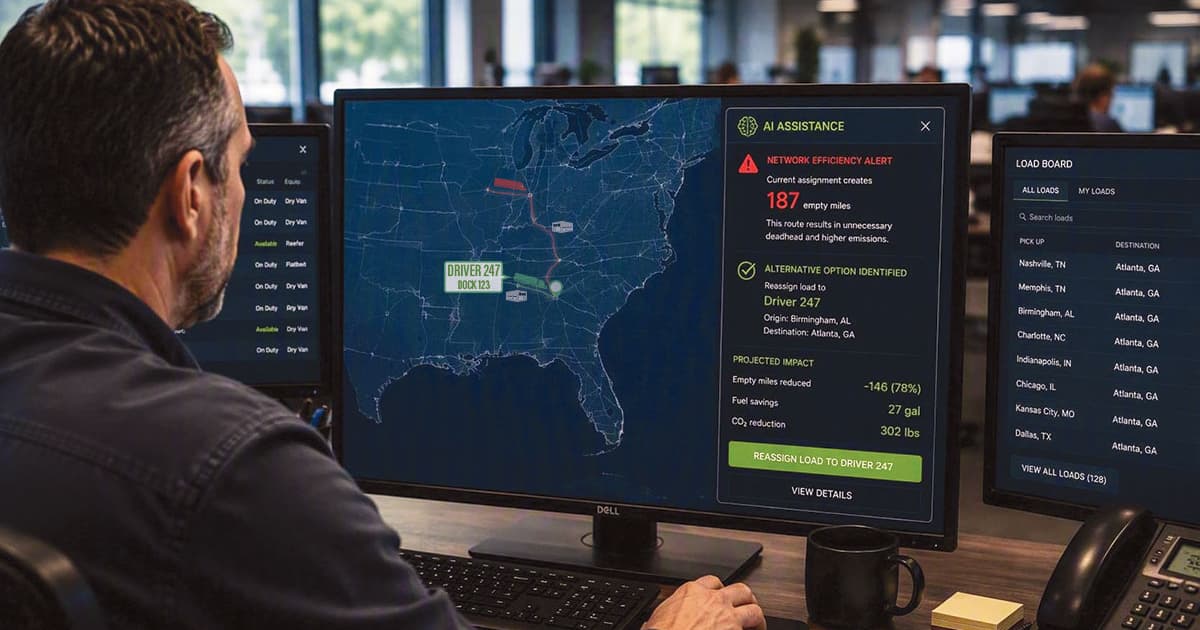
Gulftainer has announced a major strategic transformation, shifting its focus to become a global trade infrastructure company. This new strategy aims to integrate various components of the supply chain, including ports, shipping services, inland logistics, industrial ecosystems, and AI-driven supply chain management, into a single, connected platform. The initiative is designed to serve some of the world's fastest-growing trade corridors, particularly within the Middle East.
This move represents a significant evolution for Gulftainer, which has nearly 50 years of history in the maritime and logistics sectors. The company's vision is to create one of the largest integrated logistics ecosystems in the Middle East, leveraging advanced technology and comprehensive infrastructure to streamline trade operations.
For freight forwarders and shippers, this development could lead to enhanced efficiency and connectivity across the Middle East. The integration of various logistics elements under one umbrella may simplify complex supply chains, potentially reducing transit times and operational costs. Improved visibility through AI-powered platforms could also offer better tracking and management of cargo, especially for shipments moving through the region's key trade hubs. This could also mean new opportunities for intermodal solutions and more reliable service offerings in the region.