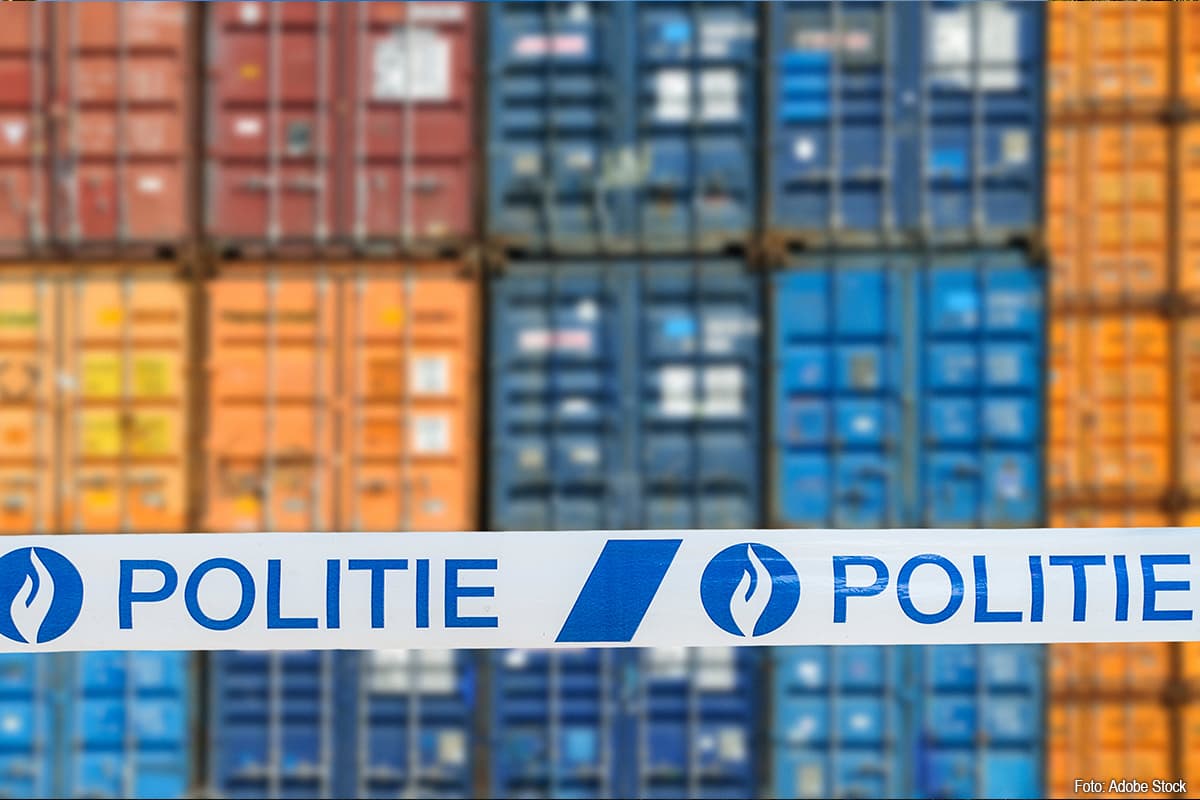
Belgian customs authorities have reported a significant reduction in cocaine seizures at the Port of Antwerp during the first six months of 2026 compared to the previous year. Conversely, the volume of cannabis intercepted by customs officials saw an increase over the same period. This shift in drug seizures highlights the dynamic nature of illicit trafficking, with criminal networks consistently modifying their methods and logistics pathways to evade detection.
For freight forwarders and logistics professionals, this trend underscores the persistent and evolving risks associated with cargo security and compliance, particularly in major European hubs like Antwerp. While direct operational impact on legitimate cargo is generally minimal, increased scrutiny and potential delays for certain shipments, especially those from high-risk origins, could occur. Forwarders must maintain robust due diligence processes and work closely with customs to mitigate risks of illicit goods being co-mingled or hidden within legitimate consignments. The adaptability of criminal organizations means that vigilance and updated security protocols are crucial for all supply chain stakeholders.