The Maritime Union of Australia (MUA) has called for a significant change in working conditions for its members at DP World's Australian terminals. The union is demanding a 28-hour work week without any loss of pay, specifically for employees whose roles are impacted by the company's ongoing automation projects. This move underscores a broader industrial relations challenge as technology advances in the port sector.
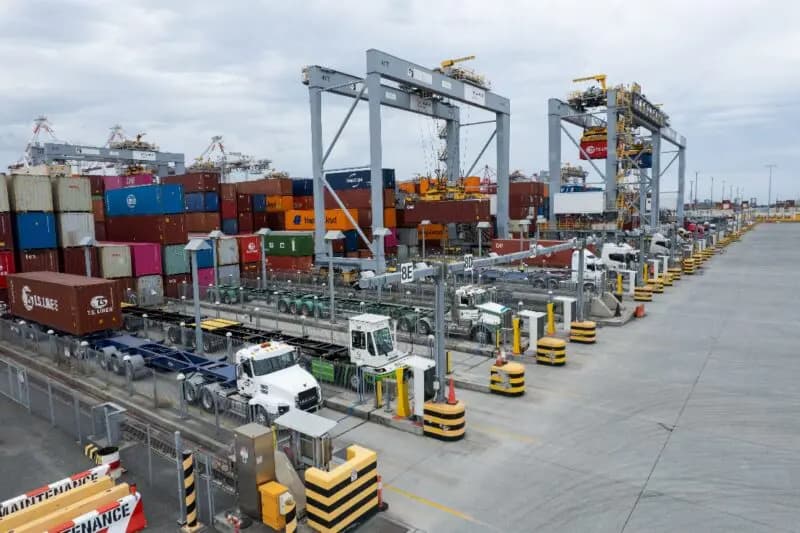
This demand arises from DP World's strategic shift towards increased automation in its Australian port facilities, a trend observed globally to enhance efficiency and reduce operational costs. Unions often respond to such automation plans by seeking assurances regarding job security, retraining opportunities, and fair compensation for workers whose roles may be altered or made redundant by new technologies.
For freight forwarders and shippers, this situation could lead to potential disruptions. If negotiations between the MUA and DP World become contentious, there is a risk of industrial action, including strikes or work stoppages at key Australian ports. Such actions would directly impact vessel schedules, cargo handling times, and overall supply chain reliability, potentially causing delays and increased costs for import and export operations. Forwarders should stay informed on the progress of these discussions to anticipate and mitigate any operational impacts.
The outcome of these negotiations will likely set a precedent for how automation is implemented and how its benefits are shared between port operators and their workforces in Australia.