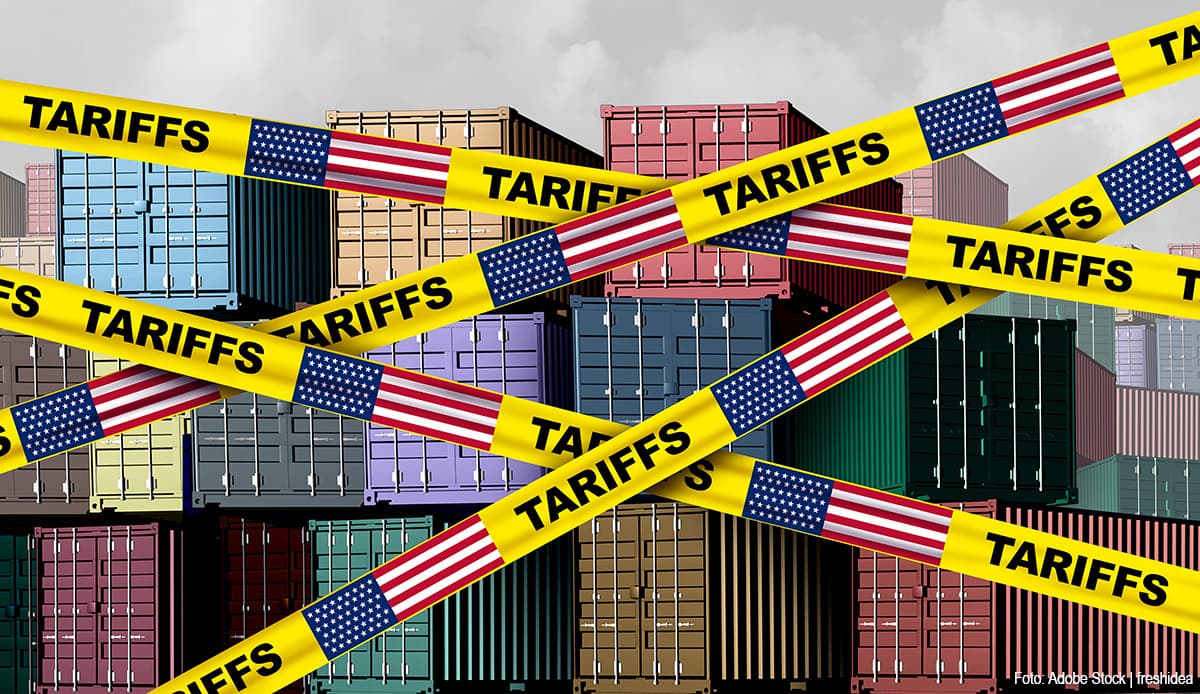
The United States government has announced its intention to impose new import tariffs on products originating from 60 different economies, a list that includes major trading partners such as the European Union, Canada, and China. Washington's justification for these potential duties is the alleged failure of these nations to adequately combat the production and export of goods linked to forced labor.
For the European Union, specifically, the proposed measure involves an additional tariff of 10 percent on certain imports. This move signals a significant escalation in the US's stance on human rights in global supply chains and could have far-reaching implications for international trade relations.
For freight forwarders and shippers, these potential tariffs represent a direct increase in landed costs for goods imported into the US from the affected regions. The additional 10% duty for EU products, for instance, would necessitate adjustments in pricing strategies and could lead to a re-evaluation of sourcing locations or supply chain routes to mitigate the financial impact. Forwarders will need to closely monitor developments and advise clients on potential cost increases and compliance requirements related to the origin of goods and forced labor regulations. This could also lead to shifts in trade volumes and potentially impact capacity on certain lanes if import patterns change.
The article does not specify the exact timeline for the implementation of these tariffs or the specific products that would be targeted beyond a general reference to "products." Further details on the scope and effective dates would be crucial for logistics planning.