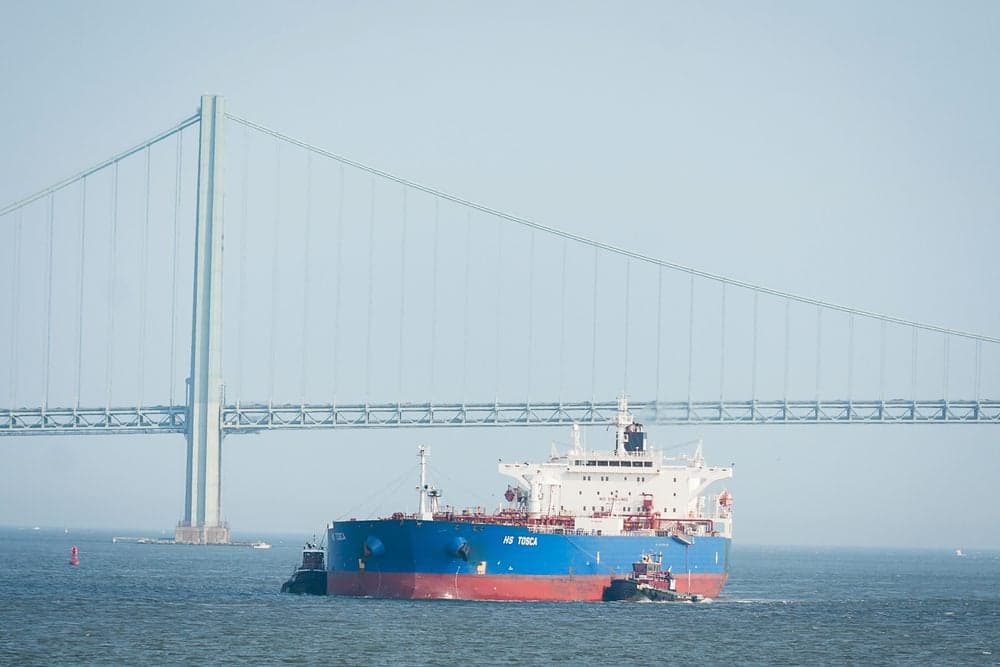
On the 106th anniversary of the Jones Act, a coalition of U.S. maritime labor unions, including the Maritime Trades Department, AFL-CIO, and the American Maritime Partnership, pressed the Trump administration to terminate its emergency waiver program. The unions contend that these waivers, which permit foreign-flagged vessels to engage in domestic shipping, weaken the U.S. maritime industry, compromise national security, and disadvantage American workers.
The Jones Act, officially the Merchant Marine Act of 1920, mandates that all goods transported between U.S. ports must be carried on vessels that are U.S.-built, U.S.-owned, U.S.-crewed, and U.S.-flagged. Waivers are typically granted during emergencies, such as natural disasters, to ensure the swift delivery of vital supplies. However, labor groups argue that the current administration has overused these waivers, creating a loophole that benefits foreign shipping at the expense of domestic capacity and jobs.
For freight forwarders and shippers, the potential cessation of Jones Act waivers could lead to increased reliance on U.S.-flagged and U.S.-crewed vessels for domestic movements. This might result in higher shipping costs and potentially longer transit times in some regions, especially if domestic capacity is strained. It could also impact the availability of certain vessel types for specific cargo, requiring forwarders to adjust their domestic logistics strategies and potentially seek alternative multimodal solutions. The policy aims to strengthen the U.S. merchant marine, which could, in the long term, stabilize domestic shipping capacity but might introduce short-term operational adjustments and cost considerations for supply chains operating within the U.S.