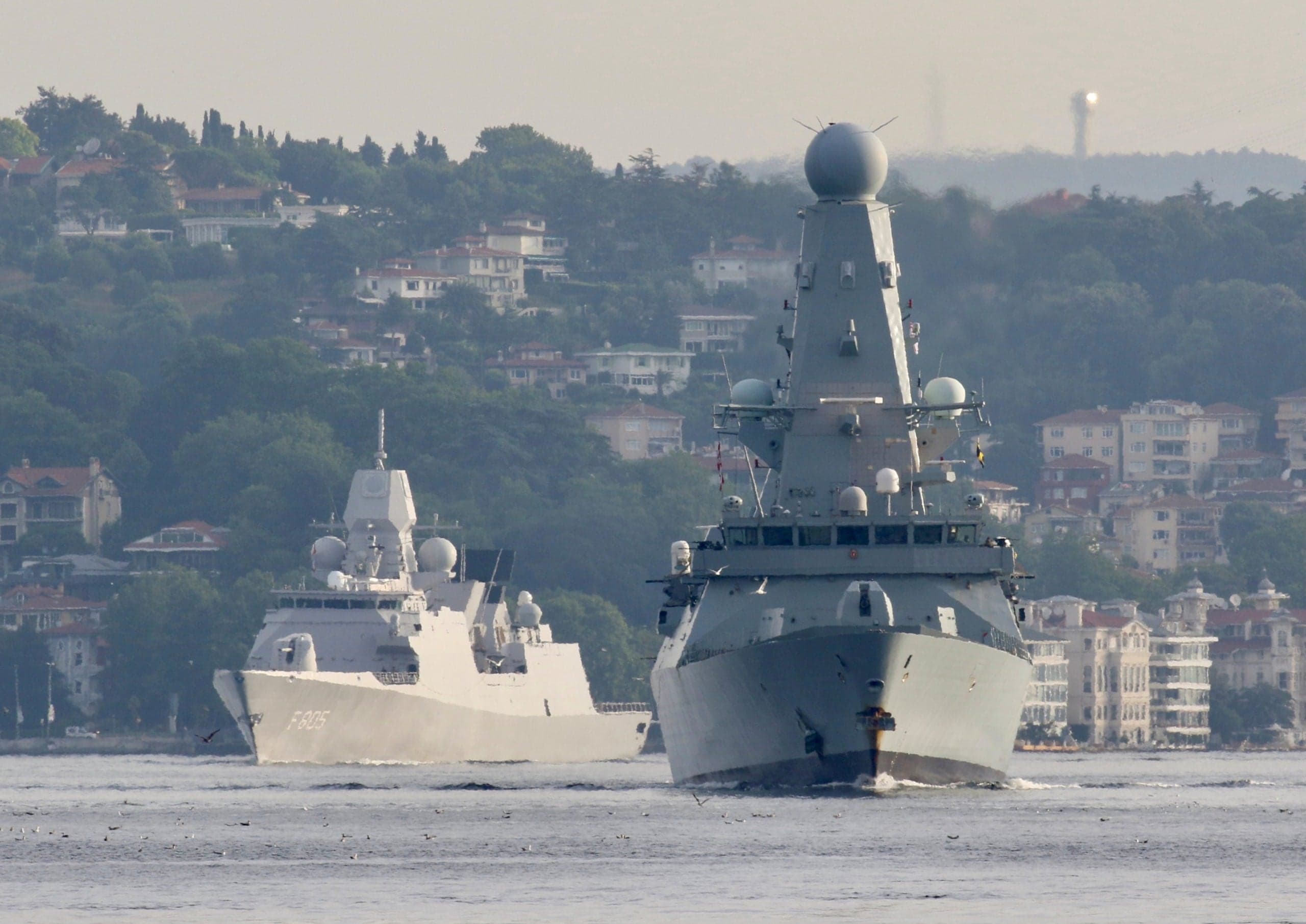
The United Kingdom's Ministry of Defence is reportedly moving away from its previous strategy of replacing its existing destroyers with new, similarly designed warships. Instead, the focus will shift towards acquiring a minimum of six "Common Combat Vessels." These vessels are envisioned as command and control centers for a new generation of uncrewed maritime systems, indicating a strategic pivot towards autonomous warfare capabilities.
This change reflects a broader trend in military modernization, where advanced navies are exploring cost-effective and technologically sophisticated solutions to maintain maritime security and project power. The emphasis on uncrewed systems suggests a move towards distributed lethality and enhanced reconnaissance capabilities, potentially reducing the risk to human personnel in certain operational scenarios.
For freight forwarders and logistics professionals, this development primarily impacts the defense sector supply chain. While not directly affecting commercial shipping lanes or freight rates, it signifies a long-term investment in specialized shipbuilding and defense technology. This could indirectly influence demand for specific types of components or materials, and potentially create opportunities for logistics providers specializing in high-value, sensitive cargo related to defense procurement. The shift also highlights the evolving nature of maritime security, which could have future implications for commercial vessel protection and route planning, particularly in contested waters, as naval capabilities adapt to new threats and technologies.
The report indicates that this strategic change is part of a broader re-evaluation of naval requirements, aiming to leverage emerging technologies for future maritime defense.