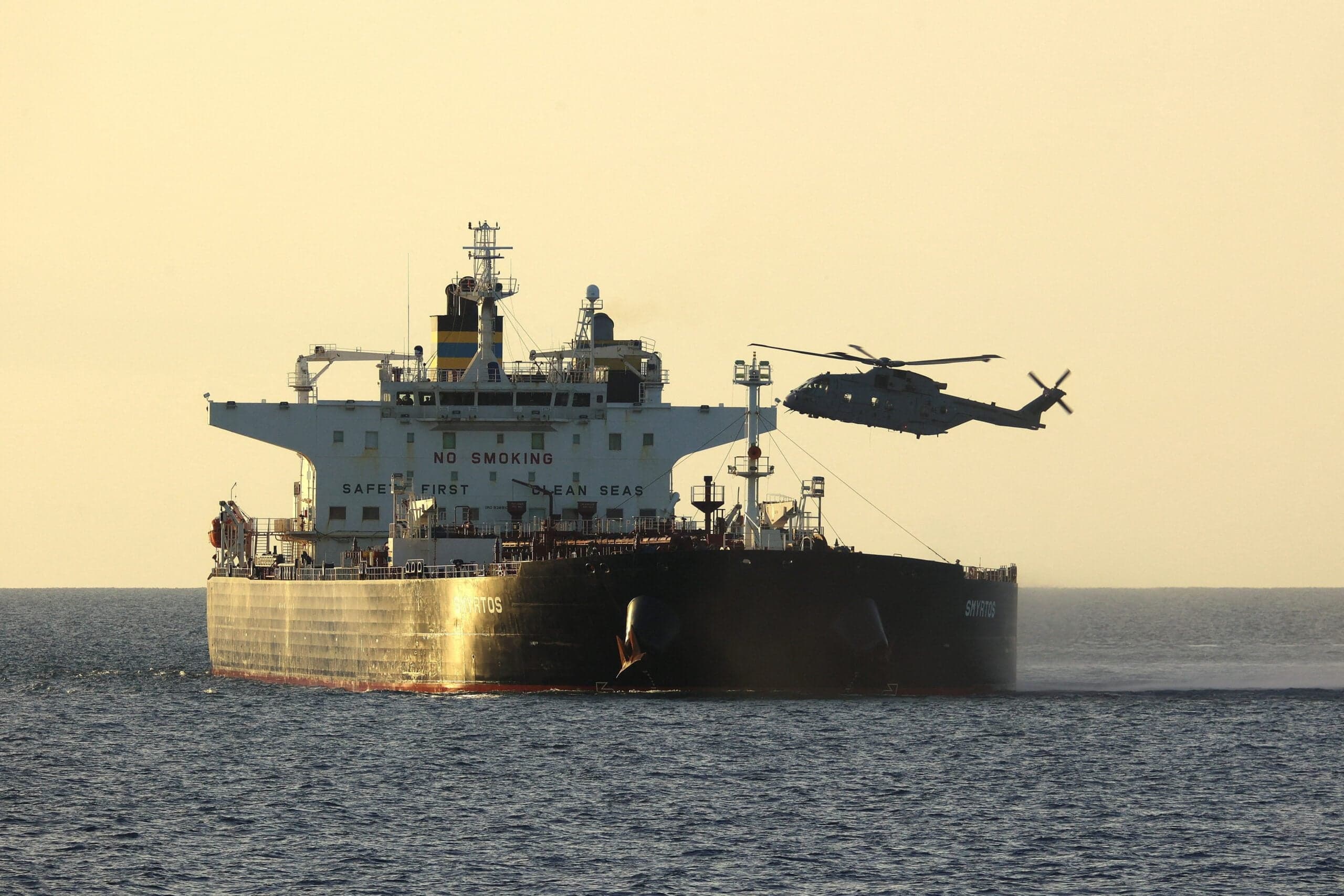
British authorities have brought charges against the Indian captain of a tanker that was recently detained as part of an operation targeting Russia's shadow fleet. The charges relate to the alleged violation of UK sanctions concerning Russian oil exports. This action represents a notable escalation in enforcement efforts against vessels suspected of circumventing international restrictions.
For freight forwarders and logistics professionals, this incident highlights the increasing scrutiny on maritime activities related to sanctioned entities. It underscores the operational risks associated with vessels potentially involved in illicit trade, including the possibility of detentions, legal proceedings, and severe penalties. Forwarders must exercise extreme diligence in vetting carriers and vessels, particularly when dealing with routes or cargo types that could be linked to sanctioned regions or goods, to avoid complicity and disruption to their supply chains. The potential for delays, re-routing, or cargo seizure due to such enforcement actions can significantly impact delivery schedules and costs.
This development suggests a continued focus by Western nations on disrupting Russia's ability to export oil outside of established price caps and sanctions regimes, potentially leading to further detentions and legal actions against those involved in the shadow fleet.