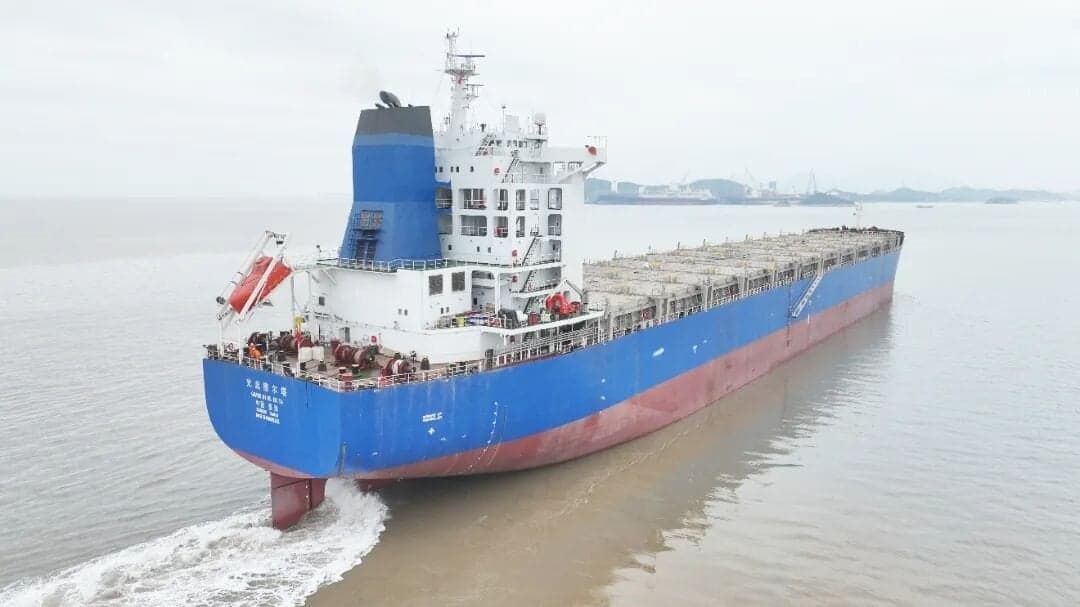
China has successfully finished its most extensive project to convert a bulk carrier into a container ship. This initiative represents a significant undertaking in maritime engineering, transforming a vessel designed for loose bulk commodities into one capable of carrying standardized container units.
This conversion reflects a broader industry strategy to adapt existing fleets to meet evolving market demands, particularly in sectors experiencing shifts in cargo volume or vessel type requirements. Such projects can extend the operational life of ships and provide a more cost-effective alternative to ordering new container vessels.
For freight forwarders and supply chain managers, the completion of such a conversion means a potential increase in available container slot capacity. While these converted vessels may not offer the same efficiencies or scale as purpose-built mega-container ships, they can provide valuable additional space, especially on secondary trade lanes or during periods of high demand. This could influence routing options and potentially stabilize or slightly reduce freight rates on specific services where these vessels are deployed.