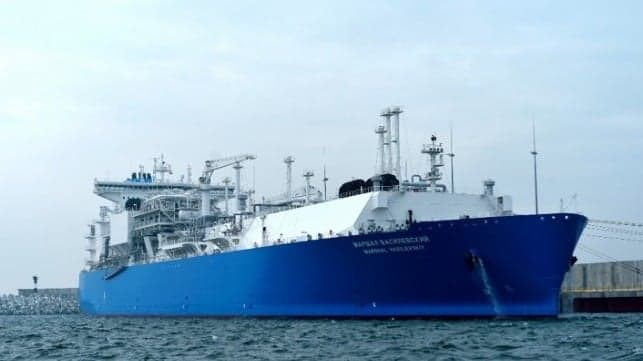
The European Union has announced sanctions against 24 shipping companies, a measure primarily targeting entities associated with Russian energy companies Gazprom and Lukoil. This action is part of ongoing efforts to intensify economic pressure on Russia following recent geopolitical events. The sanctions aim to restrict the operations and financial activities of these maritime firms, which are involved in the transportation of Russian commodities, including oil.
For freight forwarders and shippers, these sanctions introduce new complexities and potential risks. Operations managers will need to verify the ownership and affiliations of vessels and carriers to ensure compliance, avoiding any direct or indirect engagement with sanctioned entities. This could lead to reduced vessel availability on certain routes, particularly those traditionally served by these companies or their partners. Furthermore, the sanctions may necessitate rerouting of cargo or a shift to alternative carriers, potentially impacting transit times and freight costs. Compliance teams will need to stay updated on the specifics of these sanctions to mitigate legal and operational risks.
While the immediate impact on global shipping lanes is yet to be fully assessed, the move underscores the EU's commitment to its sanctions policy. Companies operating within the maritime sector will need to conduct thorough due diligence to ensure their supply chains remain compliant and resilient against these evolving regulatory landscapes.