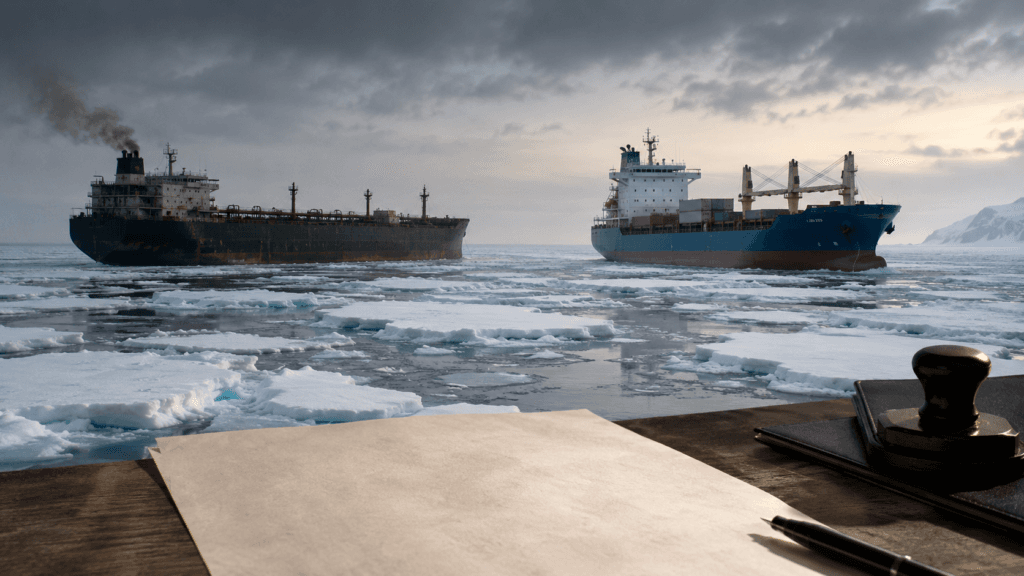
The global shipping industry appears to be undergoing a fundamental structural shift, driven by three key developments: an unprecedented surge in tanker vessel orders, Russia's strategic advancement of its Arctic shipping corridor, and the European Union's latest sanctions package. These elements are converging to reshape established trade patterns and operational strategies for maritime transport.
The context for this shift includes ongoing geopolitical tensions and a push for new, more resilient supply chain configurations. The increased tanker orders could reflect anticipation of altered energy trade flows, potentially driven by sanctions and new geopolitical alliances. Simultaneously, the development of the Arctic route offers a shorter, albeit challenging, alternative for East-West trade, bypassing traditional chokepoints.
For freight forwarders and operations managers, this structural shift implies several considerations. The emergence of the Arctic corridor could eventually offer new routing options, potentially impacting transit times and fuel costs for certain cargo types, though ice-class vessels and specific operational challenges would be a factor. Changes in tanker fleet capacity and deployment, influenced by sanctions, may affect the availability and pricing of vessels for liquid bulk commodities. Forwarders should monitor these developments closely to adapt routing strategies, assess potential rate fluctuations, and understand the evolving risk landscape associated with new trade lanes and geopolitical pressures.