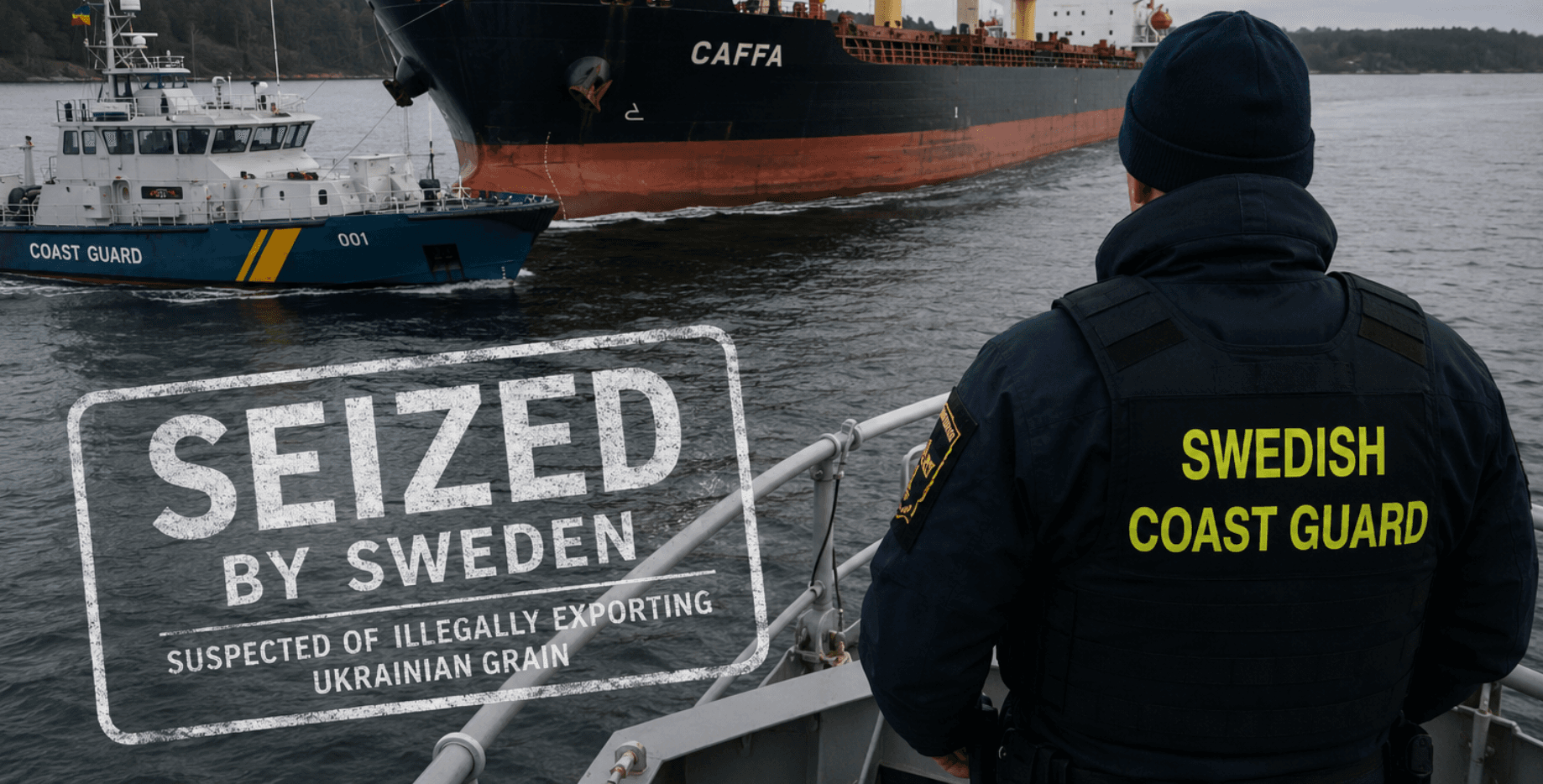
Swedish authorities have reportedly seized the vessel Caffa, citing allegations that it was involved in transporting grain illegally sourced from Ukrainian regions currently under occupation. This action underscores the growing complexities and compliance risks faced by various maritime stakeholders, including shipping companies, bulk cargo handlers, insurers, port operators, and charterers, particularly those engaged in trade flows within the disputed Black Sea region.
This incident is set against a backdrop of ongoing geopolitical tensions and the conflict in Ukraine, which has significantly impacted global food supply chains and maritime trade routes. The alleged illicit grain exports from occupied territories have been a contentious issue, leading to increased scrutiny and potential legal repercussions for entities involved in such activities.
For freight forwarders and operations managers, this development signals heightened due diligence requirements when handling shipments originating from or transiting through the Black Sea. The risk of cargo seizure, legal disputes, and reputational damage for being inadvertently involved in the trade of disputed goods is substantial. It necessitates thorough verification of cargo provenance and strict adherence to international sanctions and trade regulations. Forwarders should advise shippers on potential compliance pitfalls and ensure all documentation is meticulously checked to mitigate exposure to such risks. This could lead to increased operational costs due to enhanced vetting processes and potentially higher insurance premiums for certain routes or cargoes.
While the immediate next steps for the Caffa and its cargo remain subject to legal proceedings, this seizure serves as a stark reminder of the volatile nature of trade in conflict zones and the imperative for all supply chain participants to maintain robust compliance frameworks.