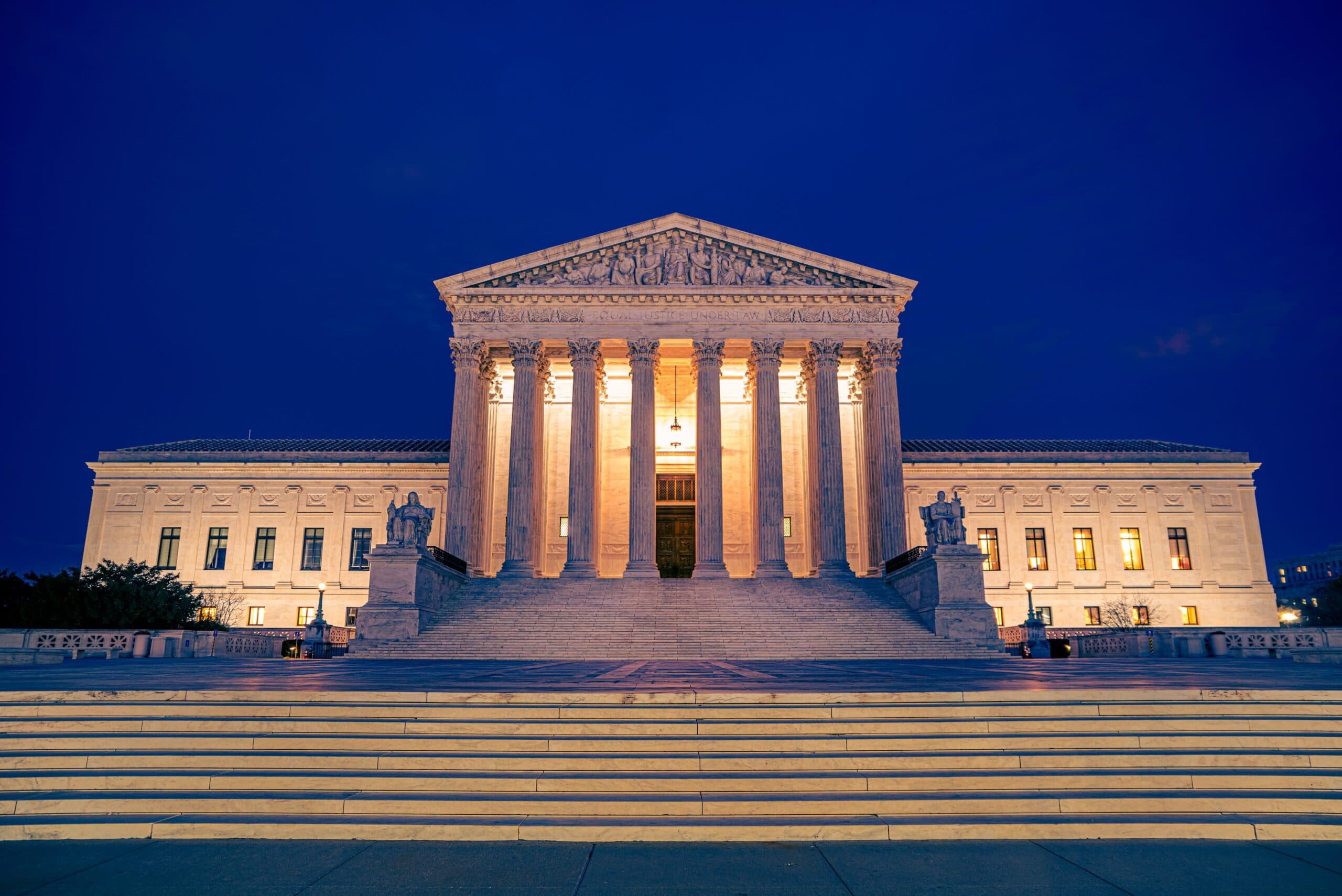
On May 22, 2026, the U.S. Supreme Court issued a unanimous decision in the case of Montgomery v. Caribe Transport II, effectively removing a legal protection that freight brokers, NVOCCs, customs brokers, freight forwarders, and warehouse operators have relied upon for decades. This ruling is expected to have a profound impact on the liability landscape for these logistics intermediaries.
Previously, these entities often benefited from legal frameworks that limited their direct responsibility for cargo loss or damage, typically deferring liability to the actual carrier. The Supreme Court's decision appears to shift more direct accountability onto the brokers and forwarders themselves, making them potentially more vulnerable to claims.
For freight forwarders and NVOCCs, this change means a potential increase in exposure to cargo claims. They may need to re-evaluate their contracts with shippers and carriers, strengthen their due diligence processes for selecting motor carriers, and potentially increase their insurance coverage to mitigate the heightened risk. Operational costs could rise due to increased legal expenses or higher insurance premiums. Shippers might find it easier to pursue claims against their logistics partners, which could lead to more stringent vetting of broker and forwarder capabilities.
The article does not specify immediate next steps or further legal actions, but the industry will likely adapt by adjusting contractual terms, enhancing risk management strategies, and potentially advocating for new legislative clarity.