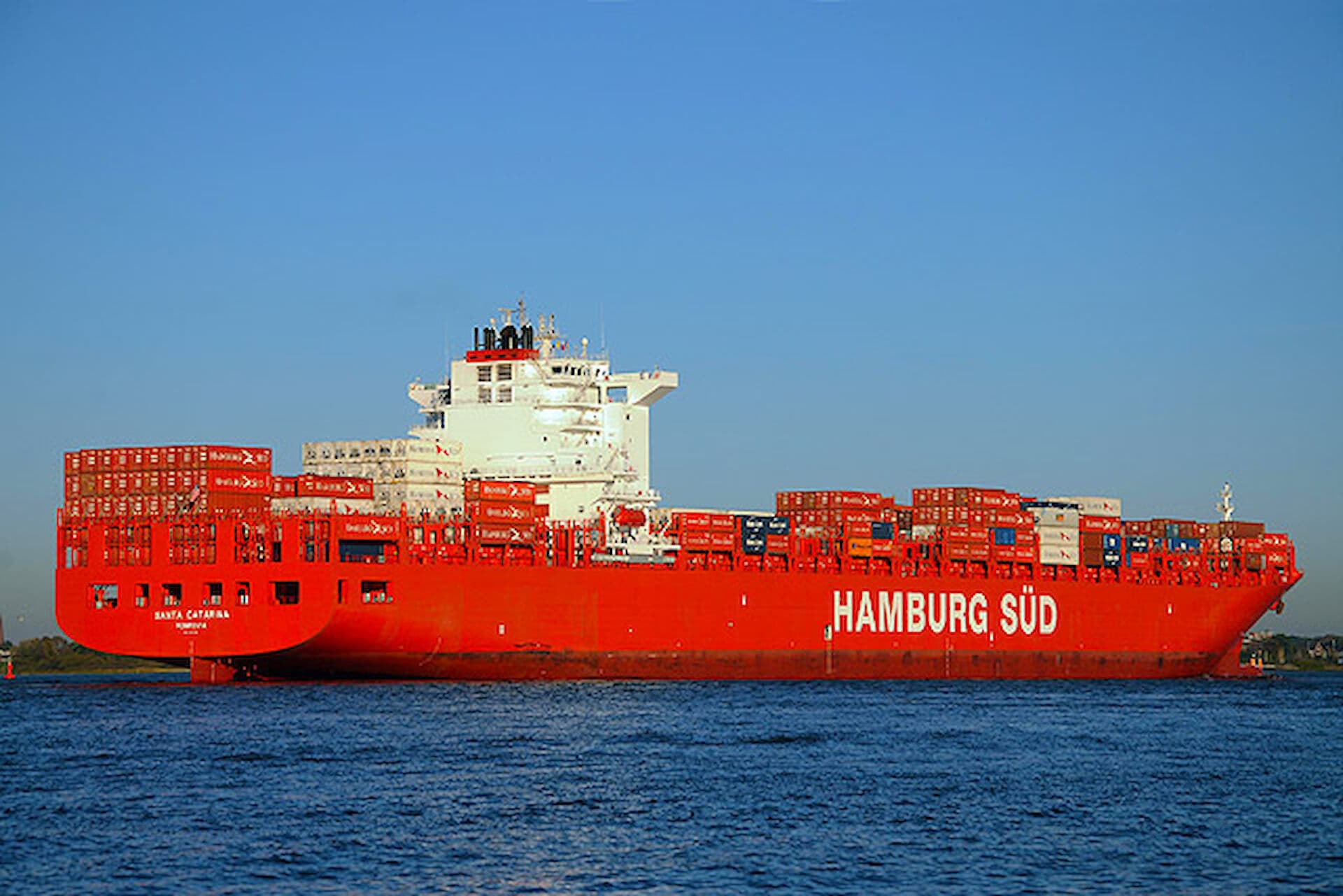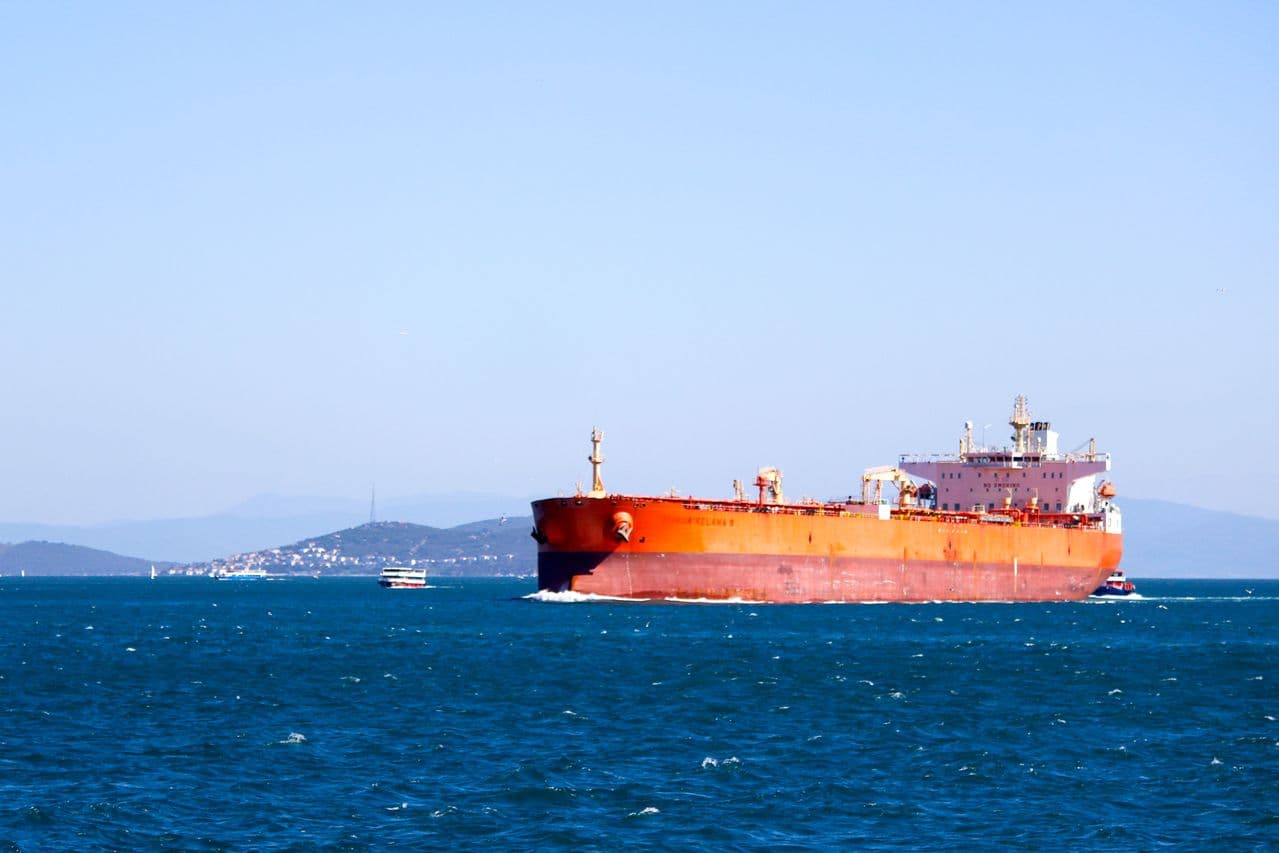
A new agreement between the United States and Iran has generated optimism for the potential reopening of the Strait of Hormuz. However, maritime industry bodies, including BIMCO, are cautioning that a full return to safe and efficient transit could take weeks. This delay is attributed to a significant backlog of approximately 600 vessels awaiting passage, the ongoing threat of unaddressed mine risks in the waterway, and the critical issue of seafarers who have been stranded on ships during the closure.
For freight forwarders and operations managers, this situation implies continued uncertainty and potential delays for shipments transiting the region. Even with an agreement in place, the operational challenges of clearing the backlog and ensuring safety mean that schedule reliability will remain compromised. Forwarders should anticipate extended lead times and potential surcharges related to war risk insurance or rerouting options, impacting overall logistics costs and planning.