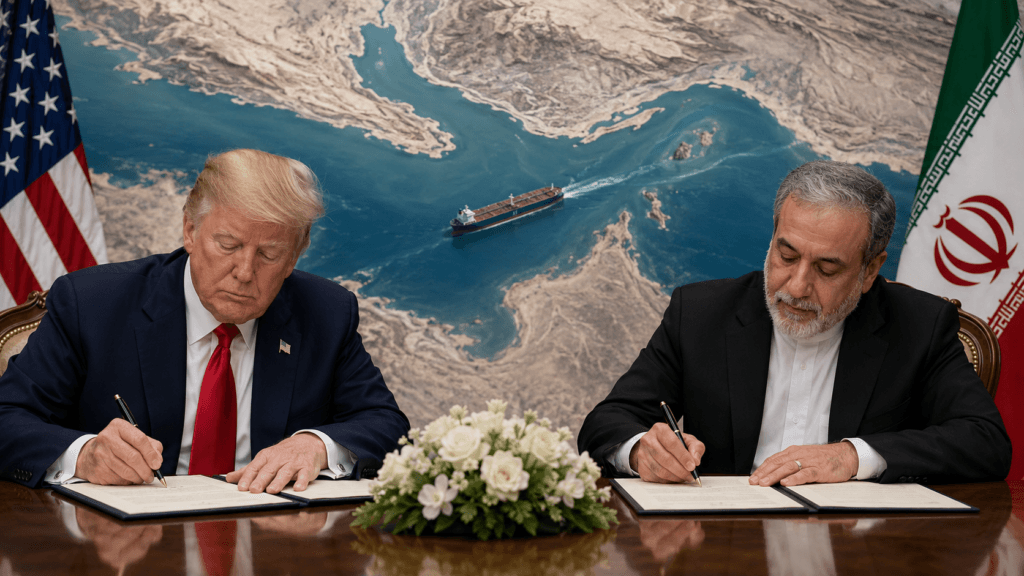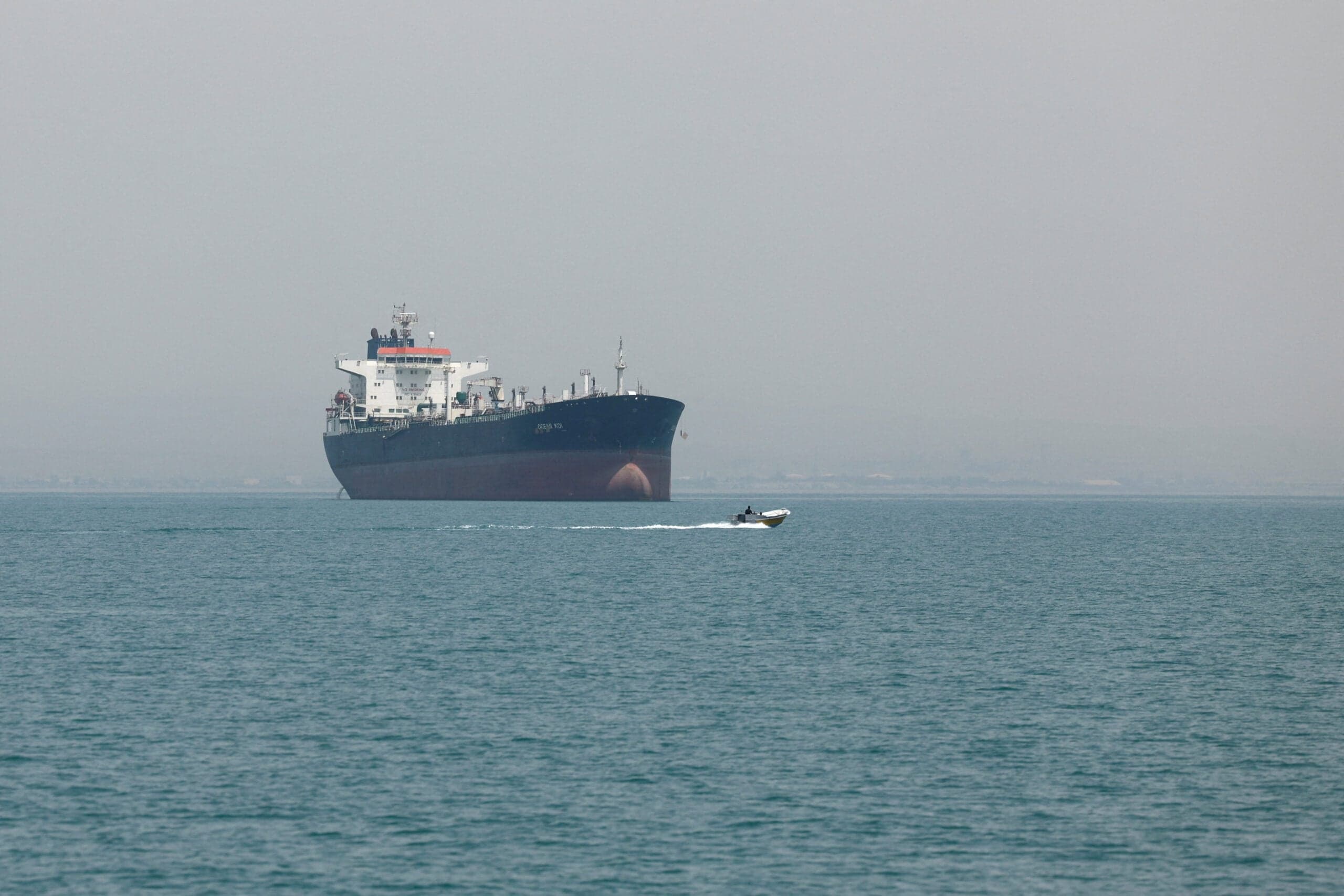
The global shipping industry has expressed a cautious welcome for a recently announced agreement between the United States and Iran. This deal aims to resolve ongoing conflicts and reduce tensions in and around the crucial Strait of Hormuz. While the agreement is seen as a positive step towards regional stability, maritime organizations have indicated that the full normalization of shipping operations in the area will be a gradual process.
For freight forwarders and shippers, this means that while the immediate threat level might decrease, the removal of additional war risk premiums (AP) and the complete restoration of confidence in the Strait of Hormuz as a safe transit route will take time. Carriers are likely to maintain heightened security protocols and insurance surcharges until a sustained period of calm and verifiable de-escalation is observed. This could impact overall shipping costs and transit times in the short to medium term, as insurance providers and vessel operators assess the evolving risk landscape.
The industry anticipates that a complete return to pre-conflict conditions, including the lifting of all security advisories and the adjustment of insurance rates, will depend on the consistent implementation of the agreement and a demonstrated commitment to peace from all parties involved. Operators will closely monitor the situation for any signs of renewed instability before making significant changes to their routing and risk management strategies.