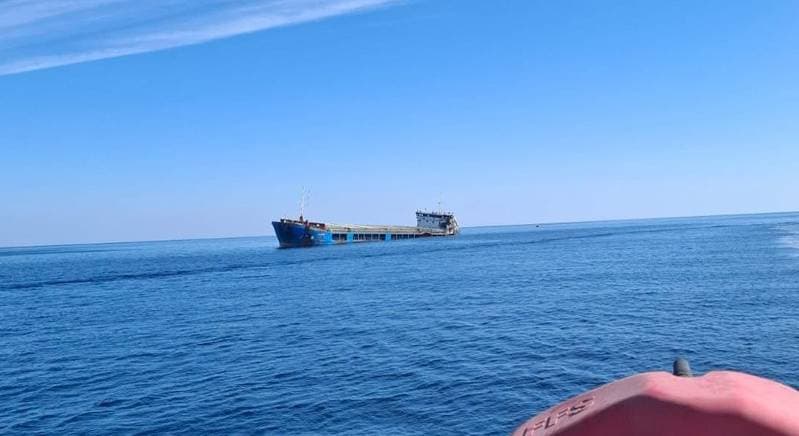
Russian-flagged and Russian-linked vessels have been documented performing unexplained maneuvers over European subsea cable routes. These activities include zig-zagging, prolonged loitering, and temporary disengagement of Automatic Identification System (AIS) transponders, which are inconsistent with typical commercial shipping operations. One specific incident involved a Cameroon-flagged tanker, part of the Russian shadow fleet, executing zig-zag patterns over subsea cables in the Atlantic.
This behavior suggests potential reconnaissance or mapping of critical underwater infrastructure, which could pose a security risk to data and communication networks. For freight forwarders and supply chain managers, any disruption to subsea cables could severely impact global communication, financial transactions, and digital logistics platforms, leading to significant operational delays and increased costs. While direct cargo impact is not immediate, the broader implications for digital connectivity are substantial.
These observations underscore ongoing geopolitical tensions and the vulnerability of crucial undersea infrastructure. The lack of commercial rationale for these vessel movements indicates a non-standard purpose, prompting heightened vigilance from European authorities regarding maritime security.