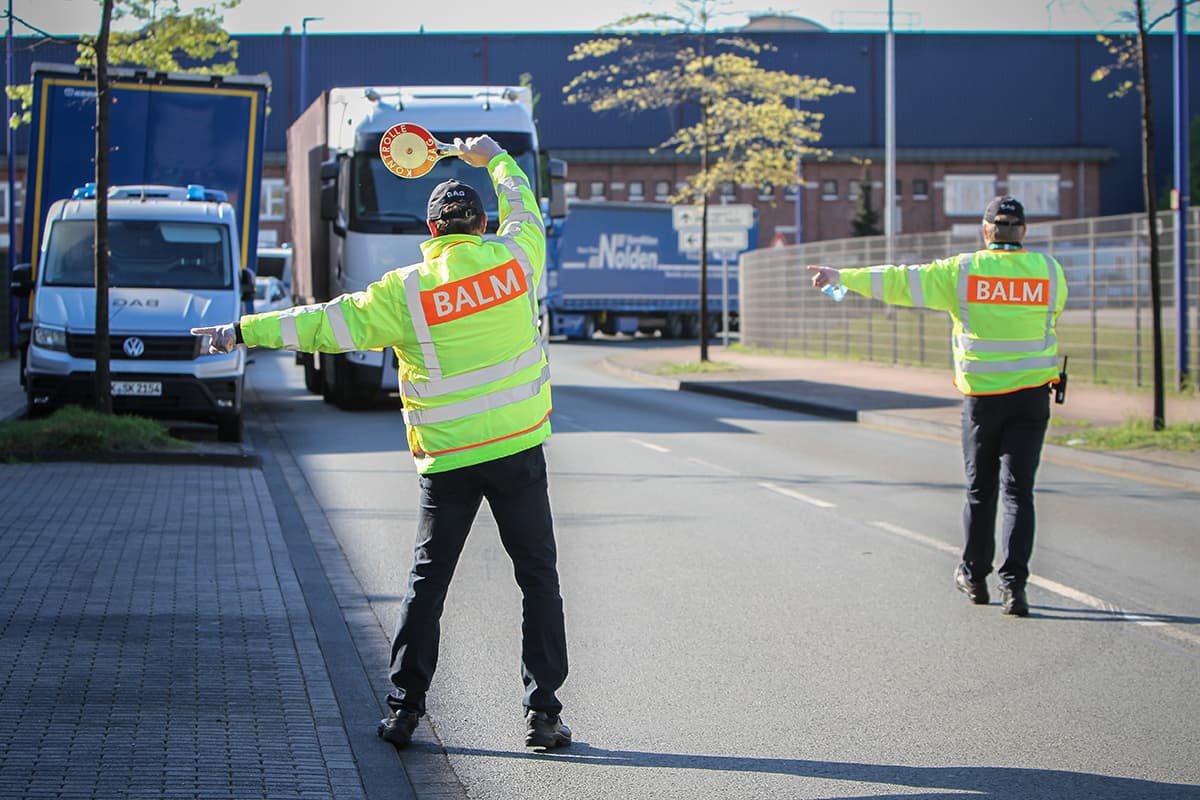
Dutch Customs officials have initiated an operation at the Port of Rotterdam to intercept illicit cargo suspected of being shipped to Russia in violation of sanctions. The investigation specifically targets specialized machinery and aircraft components, which authorities believe may be intended for military applications. Customs officers boarded a vessel in Rotterdam as part of this ongoing effort to uncover and disrupt attempts to circumvent international trade restrictions.
This operation underscores the persistent challenge of enforcing sanctions against Russia, particularly as entities seek to conceal the true nature or destination of goods within complex global freight networks. The focus on high-value, dual-use items like machinery and aircraft parts indicates a concern that these materials could directly support Russia's military capabilities.
For freight forwarders and logistics professionals, this operation signals heightened scrutiny at major European ports like Rotterdam. It emphasizes the critical importance of robust compliance checks, thorough due diligence on cargo contents and ultimate consignees, and accurate documentation. Forwarders must be vigilant against attempts by shippers to misdeclare goods or obscure their final destination to bypass sanctions. Non-compliance can lead to severe penalties, including fines, cargo seizures, and reputational damage. This situation also highlights potential delays for legitimate cargo as customs intensify inspections.