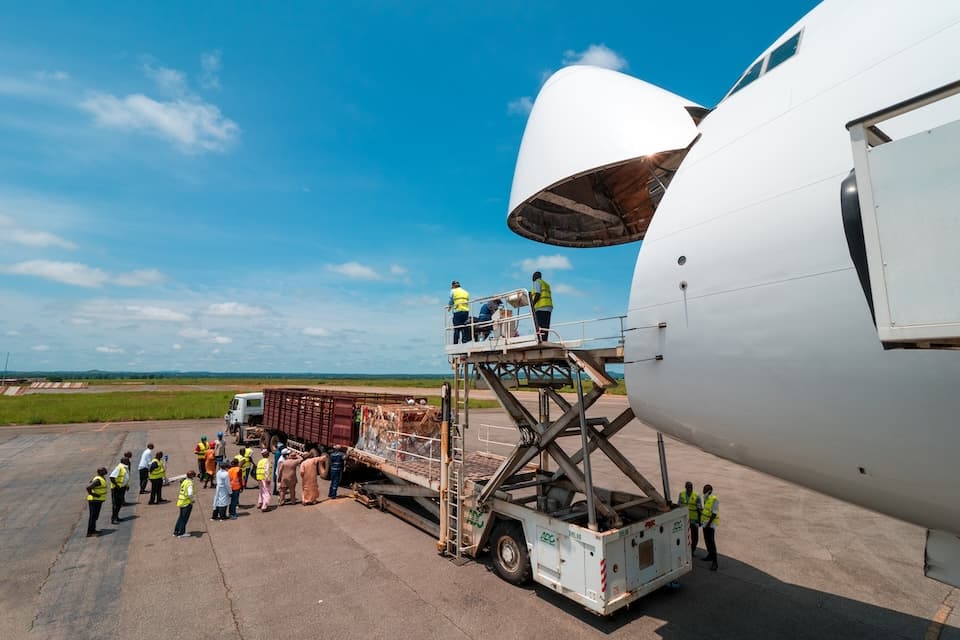
European Cargo, an airline specializing in e-commerce and general cargo transport from Asia to the UK, recently entered receivership. This development marks the end of its operations utilizing A340-600 aircraft that had been converted into freighters without undergoing full passenger-to-freighter modifications. These aircraft, a product of the surge in demand during the COVID-19 pandemic lockdowns, were particularly susceptible to fluctuations in fuel prices and a general weakening of the air cargo market.
For freight forwarders and operations managers, this situation underscores the ongoing shift in the air cargo industry towards more fuel-efficient aircraft. The demise of European Cargo's A340-600 operations suggests that carriers relying on older, less efficient four-engine jets will face increasing pressure to remain competitive, especially as fuel costs remain a significant operational expenditure. This could lead to a further reduction in available capacity from such aircraft types, potentially impacting niche routes or those previously served by these specific freighters. Forwarders should monitor carrier fleets and operational cost structures when evaluating long-term capacity and rate stability, particularly for routes where older aircraft might still be deployed.