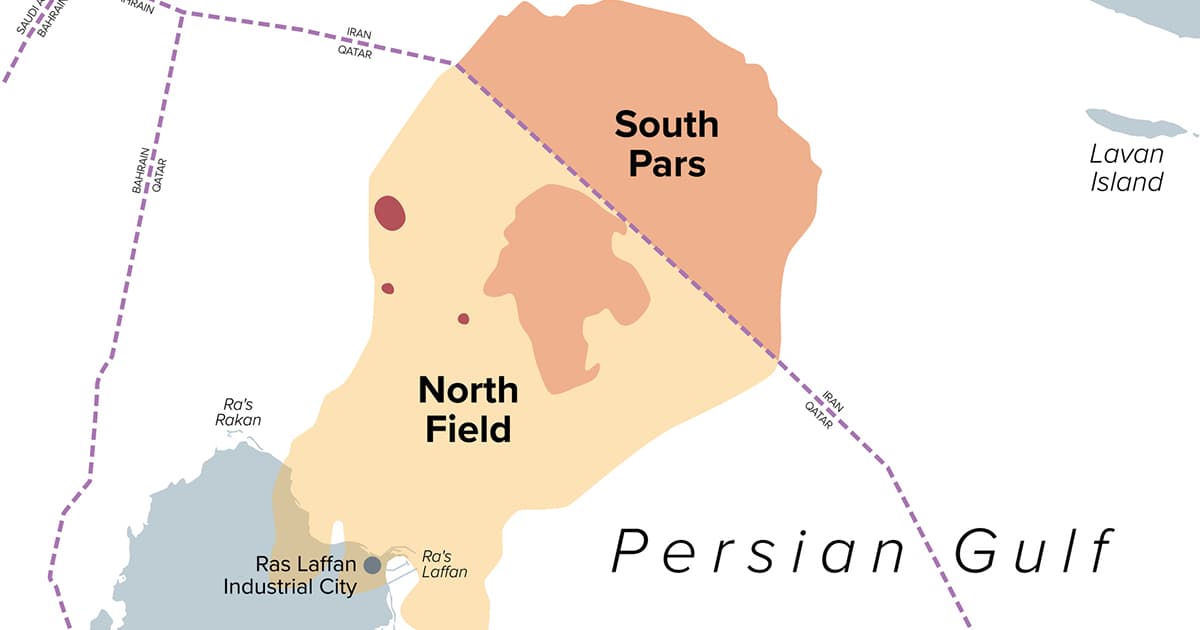
An explosion recently occurred at a gas terminal in Qatar, leading to 54 reported injuries and 18 individuals currently unaccounted for. The precise scope of the damage sustained by the facility remains unclear at this time. This incident has the potential to add further volatility to international energy markets.
For freight forwarders and supply chain professionals, any significant disruption to Qatar's gas production and export capabilities, particularly for Liquefied Natural Gas (LNG), could lead to shifts in global energy prices. This might, in turn, influence bunker fuel costs for maritime shipping, potentially affecting ocean freight rates. Depending on the terminal's importance and the duration of any operational halt, there could be re-routing of LNG carriers and increased demand for alternative energy sources, creating ripple effects across various supply chains.