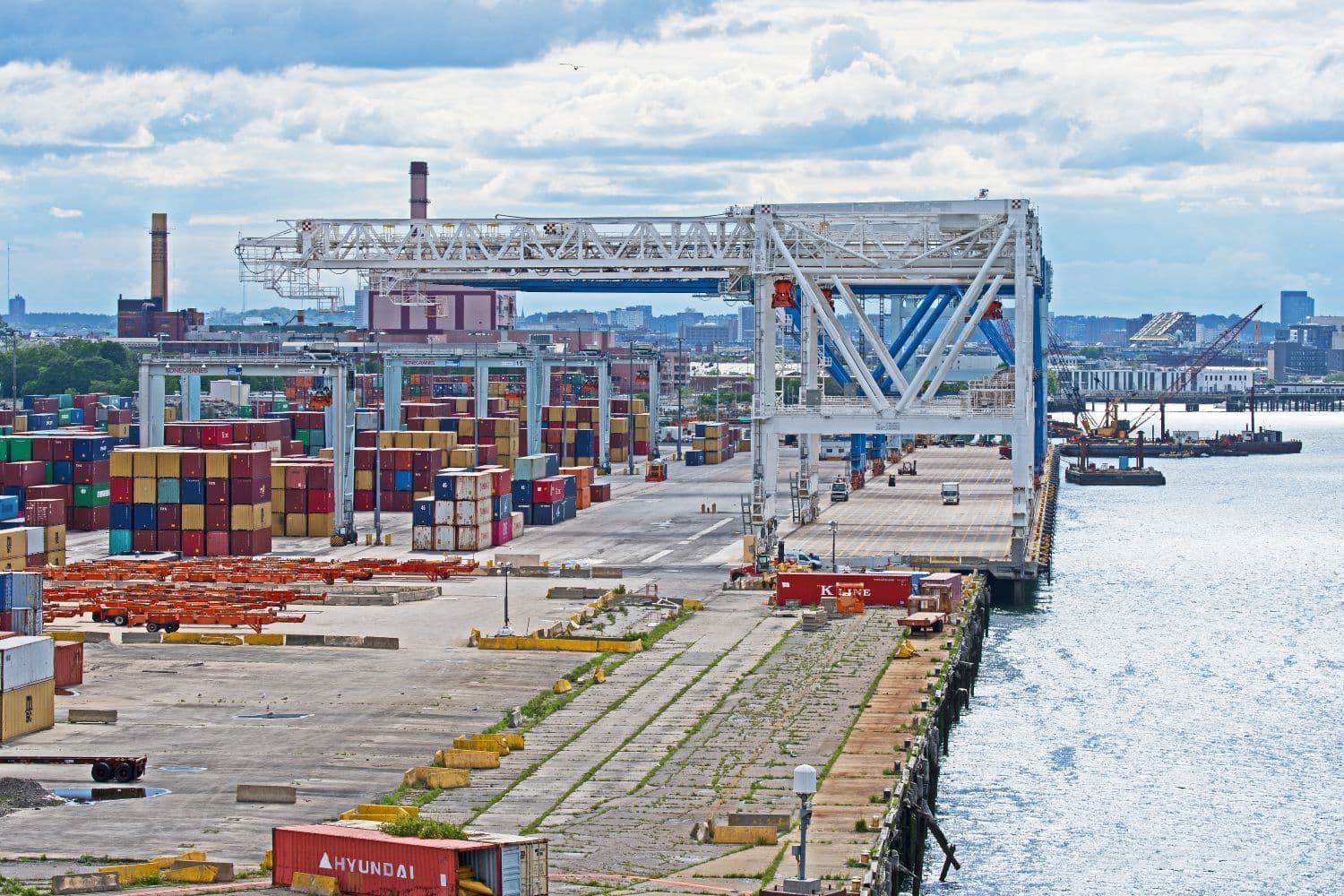
A recent report by the World Bank and S&P Global Market Intelligence indicates a shift in the role of ports within the global supply chain. Historically viewed as passive entities affected by disruptions, ports are now recognized as active participants capable of influencing and mitigating supply chain volatility. This re-evaluation underscores the growing importance of port efficiency in maintaining the flow of international trade.
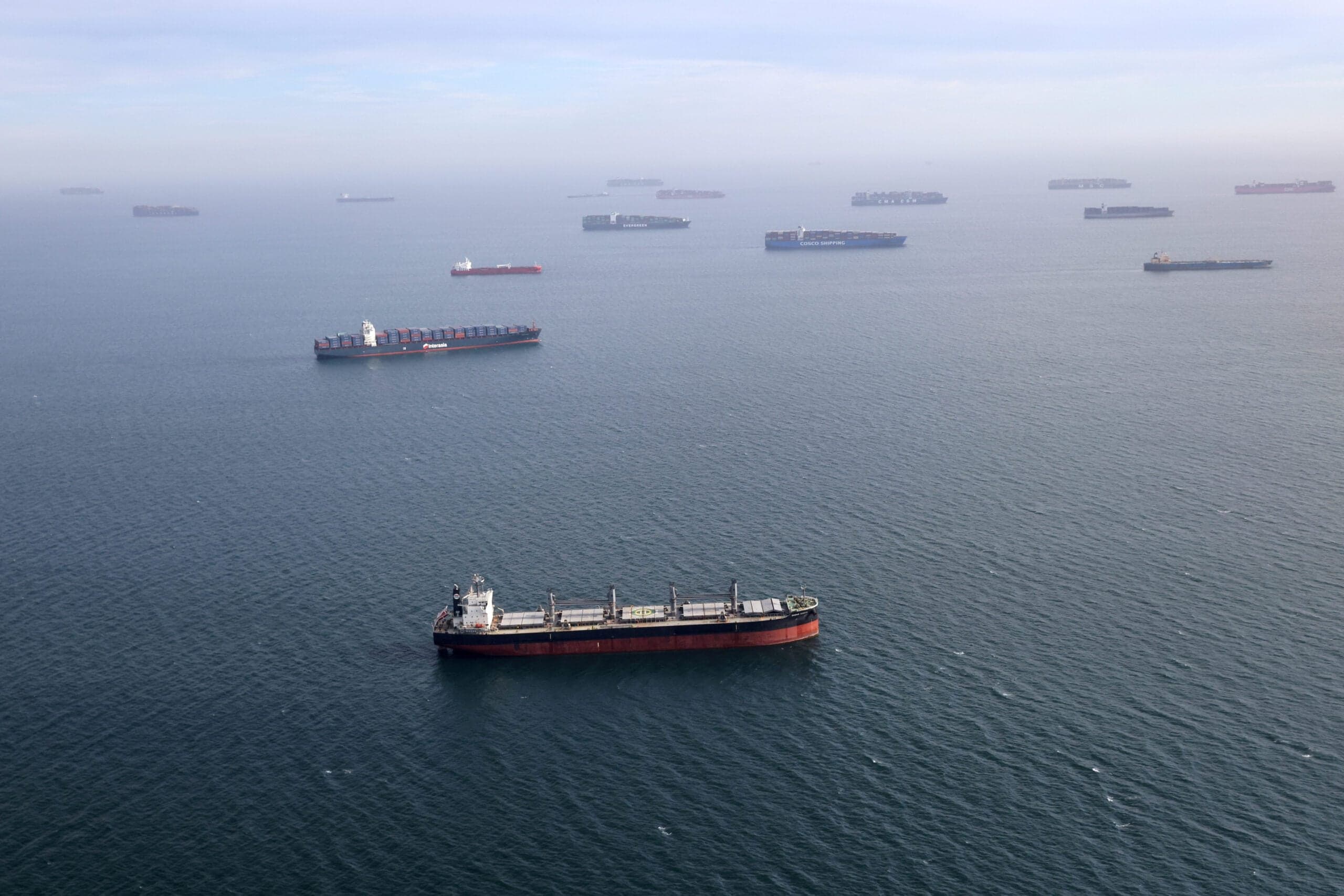
For freight forwarders and operations managers, this means that selecting efficient ports and understanding their operational capabilities is more critical than ever. Congestion, delays, and inefficient processes at ports can significantly impact transit times, lead to increased demurrage and detention charges, and disrupt carefully planned schedules. Forwarders should prioritize working with ports that demonstrate high operational efficiency and invest in digitalization and infrastructure to minimize potential bottlenecks. This insight also suggests that port performance will increasingly become a key factor in routing decisions, alongside transit time and cost.
The report implies that ongoing investment in port infrastructure, technology, and operational best practices will be essential for global supply chain stability. As disruptions become more frequent, the ability of ports to adapt and maintain smooth operations will directly affect the reliability and cost-effectiveness of international logistics.