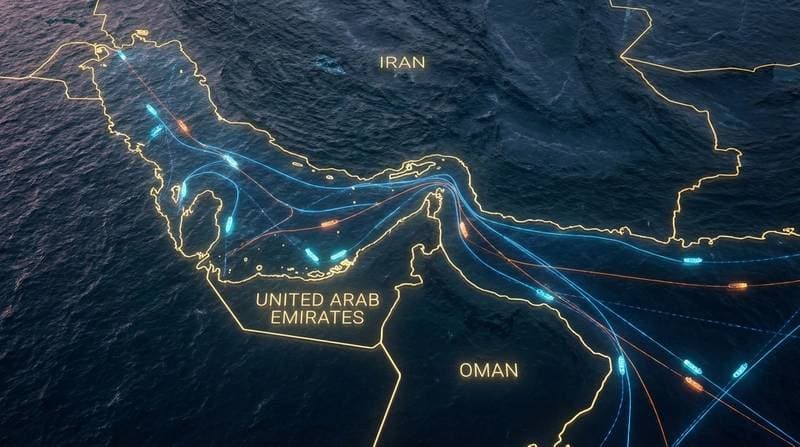
Oman has officially opened two new temporary shipping lanes, positioned to the north and south of the established Strait of Hormuz shipping corridor. This strategic move is designed to enhance the safety and efficiency of vessel transit in and out of the region. The Omani government has affirmed that these alternative routes will operate without any additional tolls, ensuring continued accessibility for international shipping.
This development comes amidst ongoing geopolitical sensitivities in the broader Middle East, particularly concerning the Strait of Hormuz, a critical chokepoint for global oil and gas shipments. By providing alternative pathways, Oman aims to mitigate potential disruptions and reinforce its commitment to maintaining open and secure maritime trade routes. The initiative was undertaken in collaboration with the International Maritime Organization (IMO).
For freight forwarders and operations managers, these new lanes offer increased routing flexibility and potentially reduced transit risks when navigating the Arabian Gulf. While the Strait of Hormuz remains open, the availability of alternative, Omani-controlled routes could provide a valuable contingency, potentially impacting vessel scheduling and perceived security premiums. It may also alleviate concerns about potential congestion or geopolitical interference in the primary shipping channel, contributing to greater supply chain stability for cargo transiting this vital region.
The long-term implications will depend on the sustained use and international recognition of these new routes, but for now, they represent a proactive measure to safeguard maritime commerce.