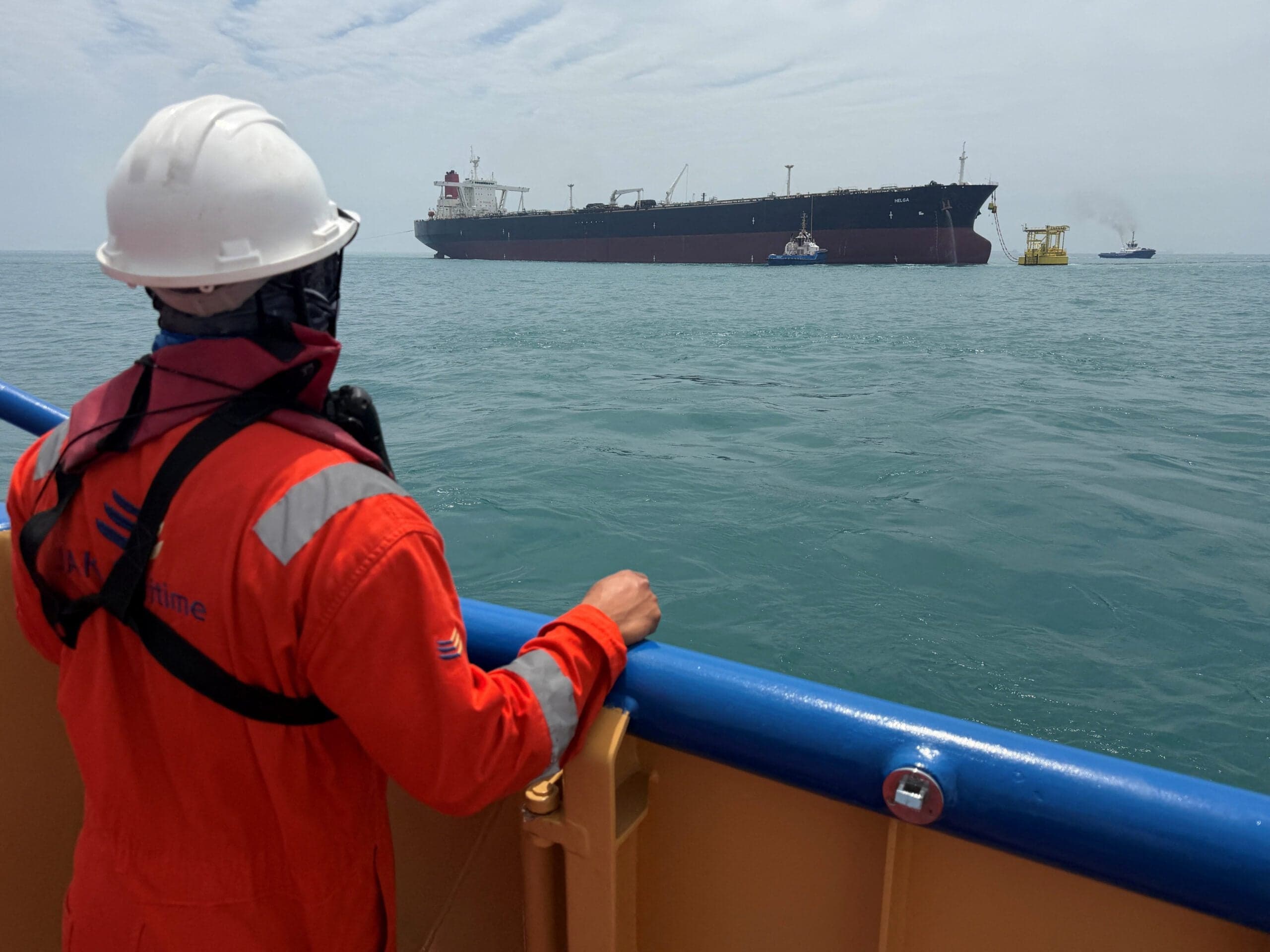
The offshore sector in the Middle East Gulf (MEG) is currently navigating a period of short-term resilience, yet it faces substantial structural challenges that could impact its long-term stability. Key concerns include a combination of contract terminations, increasing insurance costs, and potential threats to Engineering, Procurement, and Construction (EPC) projects within the region. While the number of rig contract cancellations has remained low, the industry anticipates that a return to operational levels seen before recent conflicts could extend over several months.
For freight forwarders and logistics professionals, these developments signal potential shifts in project cargo volumes and specialized vessel demand. Increased insurance costs for offshore operations could translate into higher overall project budgets, potentially affecting the viability or scheduling of new projects. Any slowdown in EPC project activity would directly reduce the need for heavy-lift and oversized cargo movements, impacting specialized carriers and port services catering to the offshore industry. Forwarders should monitor the geopolitical landscape and insurance market trends in the MEG closely, as these factors will influence future project pipelines and associated logistics requirements.
Looking ahead, the sector's ability to mitigate these structural risks will be crucial. The duration of the recovery period for pre-conflict operational levels will largely depend on regional stability and the willingness of operators to absorb or pass on increased costs. Stakeholders will be closely watching for any further contract adjustments or significant changes in the risk assessment by insurance providers.