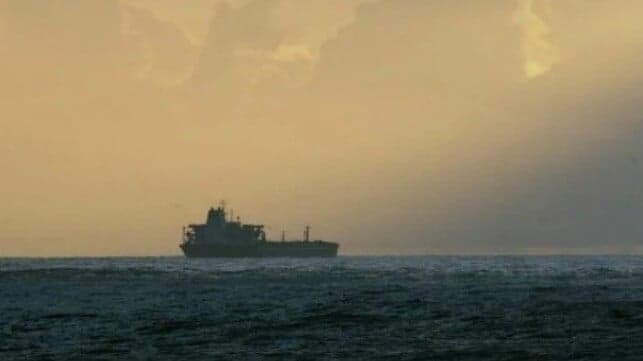
French authorities recently detained the captain of a tanker suspected of belonging to the 'shadow fleet' for a 24-hour period before his release. The incident occurred in French waters, drawing attention to the clandestine operations of vessels that often transport sanctioned oil or engage in other illicit activities.
The 'shadow fleet' comprises older vessels operating outside conventional maritime regulations and insurance frameworks, frequently facilitating the transport of oil from sanctioned countries. These ships often switch off their AIS transponders, engage in ship-to-ship transfers in open waters, and use complex ownership structures to evade detection and sanctions.
For freight forwarders and logistics professionals, the increased scrutiny and potential detention of such vessels represent a heightened risk in the broader maritime environment. While direct involvement with shadow fleet tankers is unlikely for legitimate forwarders, the broader enforcement actions can contribute to market uncertainty, impact insurance premiums for all vessels, and potentially lead to delays or disruptions in legitimate shipping lanes if enforcement operations become more widespread. It underscores the importance of due diligence in vessel selection and trade compliance.
This event suggests a continued focus by European nations on monitoring and interdicting vessels suspected of violating international sanctions or maritime safety standards, particularly those linked to the shadow fleet.