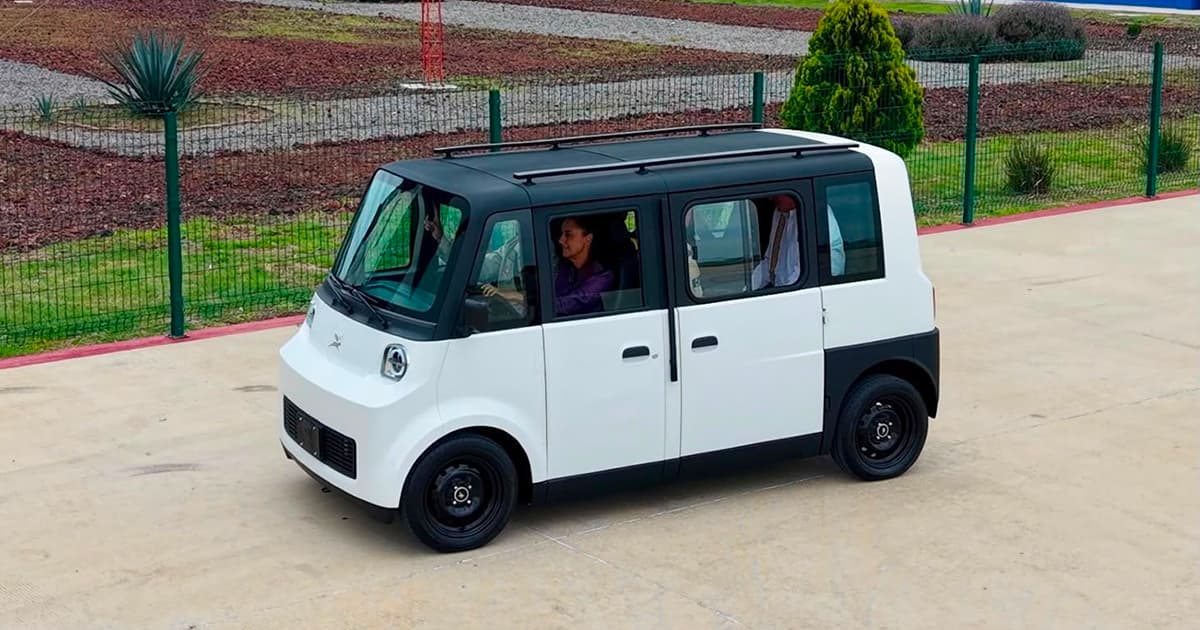
Mexico's President-elect Claudia Sheinbaum recently presented the Olinia electric vehicle prototype, signaling a strategic move towards developing a domestic electric vehicle industry. The initiative aims to create a zero-emissions option for urban transportation, while simultaneously strengthening local supply chains and establishing a distinct national automotive brand.
This development is part of a broader effort by Mexico to enhance its manufacturing capabilities and reduce reliance on foreign imports in key industrial sectors. By promoting local production of electric vehicles, the government seeks to create jobs, stimulate economic growth, and position Mexico as a player in the global EV market.
For freight forwarders and logistics professionals, this could signify an increase in demand for specialized logistics services within Mexico, particularly for components and materials related to EV manufacturing. It may also lead to new opportunities for transporting finished vehicles domestically and potentially for export, influencing road freight volumes and potentially requiring new infrastructure or routing strategies. The emphasis on domestic supply chains could reduce reliance on international routes for certain components, shifting focus to internal logistics networks.
While the article does not specify next steps, the unveiling of a government-backed prototype suggests a commitment to advancing this project, which could lead to further investments in manufacturing facilities and related infrastructure in the coming years.