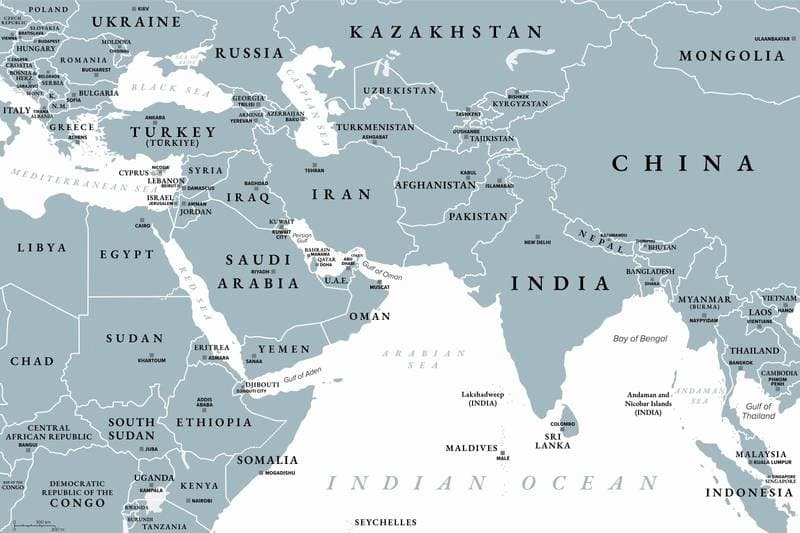
Yemen's Houthi movement declared on Monday that it would prohibit ships associated with Israel from transiting the Red Sea. This decision comes in response to renewed military actions by Israel against Iran, further escalating geopolitical tensions in the region. The Houthis' statement directly impacts maritime traffic through a critical global waterway.
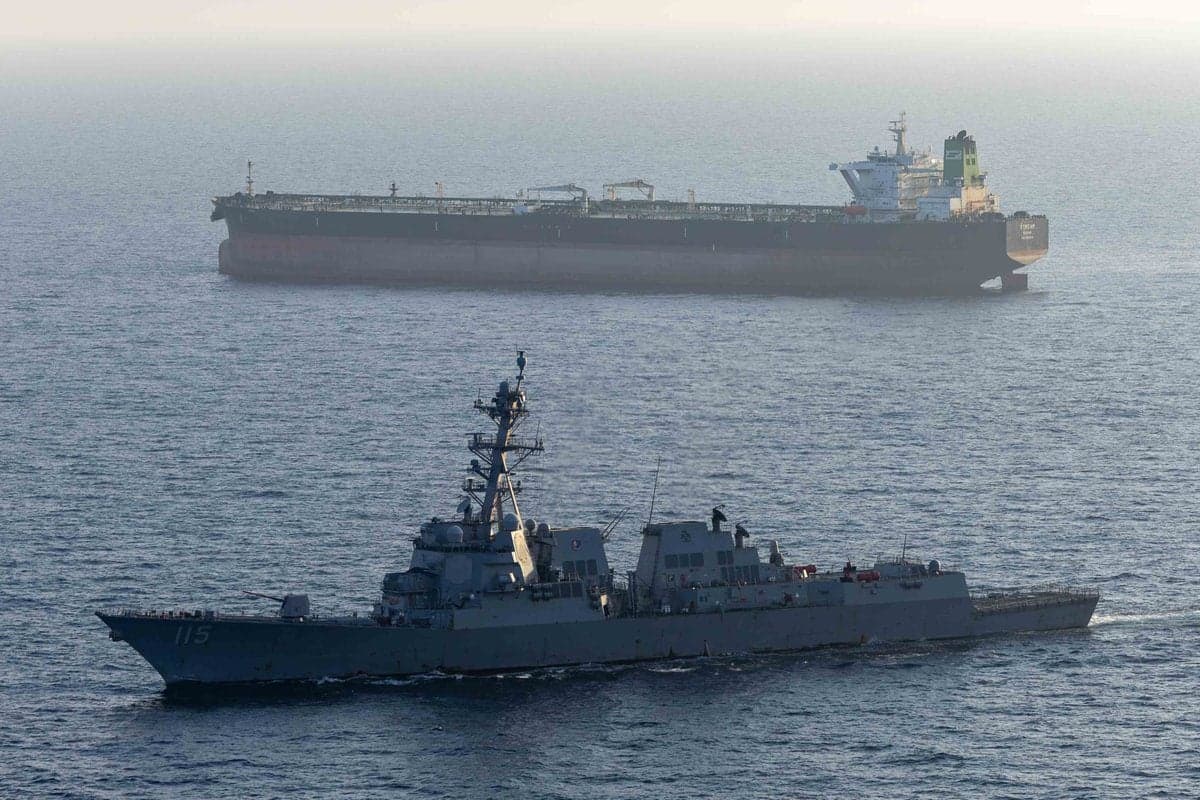
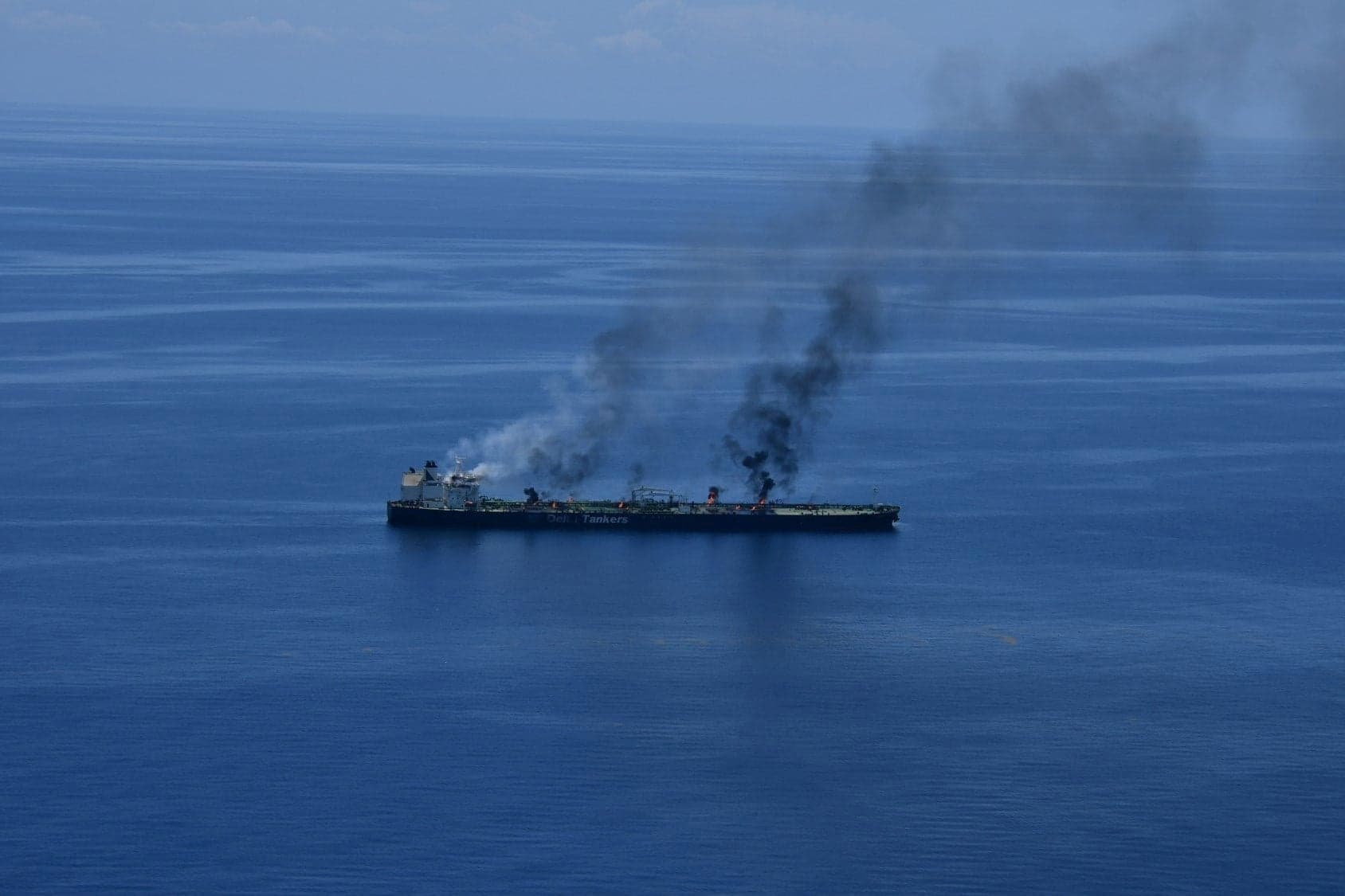
This latest threat builds on previous incidents in the Red Sea involving Houthi actions, which have consistently raised alarms about the safety of commercial shipping. The Red Sea, a vital conduit for global trade, particularly for oil and container traffic, connects to the Suez Canal, making any disruption here significant.
For freight forwarders and shippers, this situation could lead to increased operational complexities. Potential consequences include higher war risk insurance premiums for vessels traversing the Red Sea, and in severe cases, a diversion of ships around the Cape of Good Hope. Such rerouting would extend transit times and increase fuel costs, ultimately impacting supply chain schedules and freight rates. Forwarders will need to closely monitor the situation and communicate potential delays or cost adjustments to their clients.
While the immediate impact on oil markets is a primary concern, the broader implications for container and general cargo shipping through this crucial corridor are also significant, potentially leading to further supply chain disruptions.