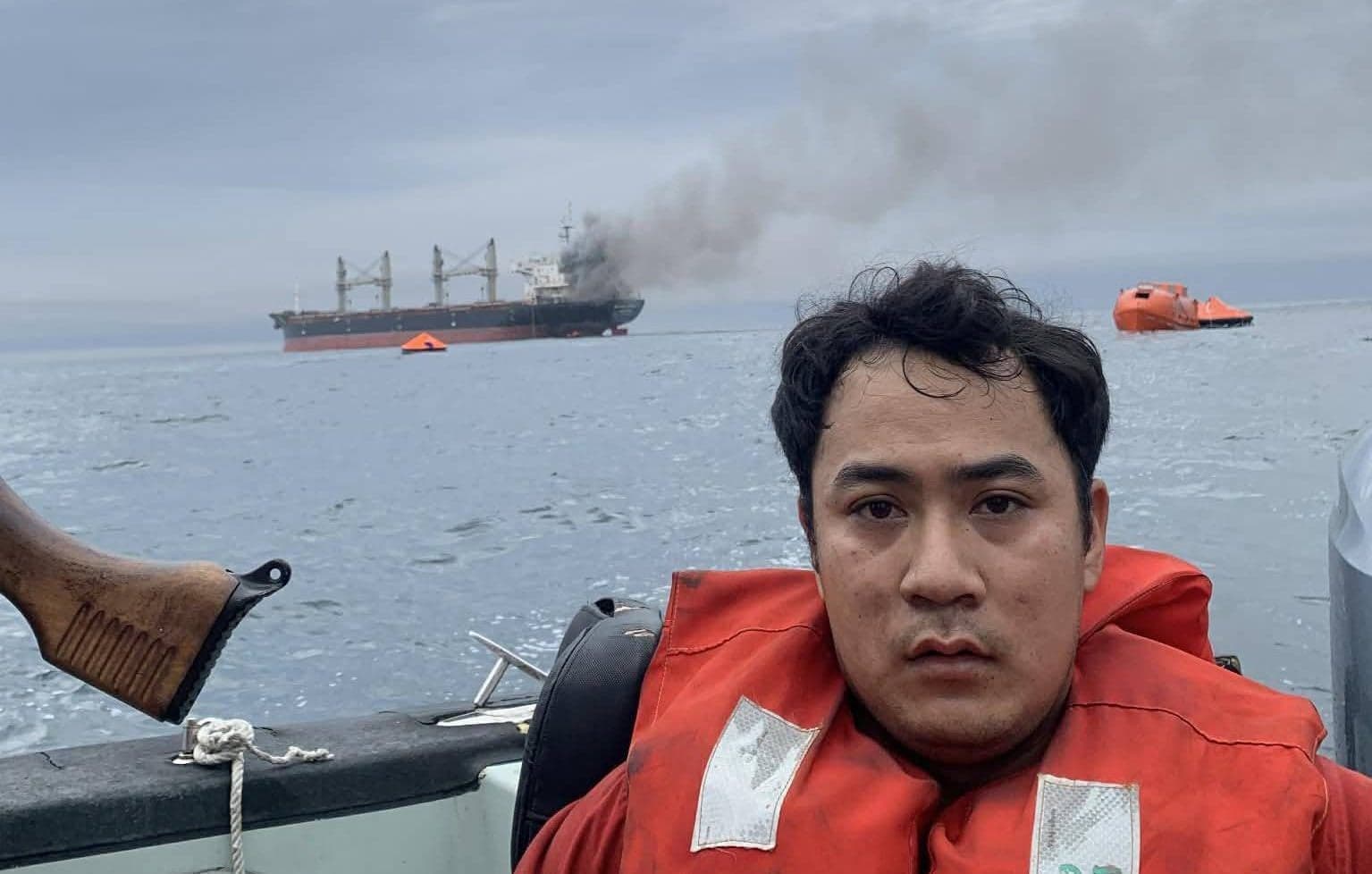
The International Maritime Organization (IMO) is drawing attention to the indispensable role of the world's 1.8 million seafarers. These maritime professionals are responsible for transporting the vast majority of global cargo, ensuring that essential goods and raw materials reach their destinations, thereby sustaining the global economy. Despite their critical function, their demanding work, often involving extended periods away from home and exposure to various operational risks, frequently remains unacknowledged.
This initiative by the IMO aims to raise awareness about the human element in shipping, particularly as seafarers continue to navigate complex geopolitical situations and environmental challenges. Their dedication ensures the continuous flow of goods, from consumer products to industrial components, which underpins international commerce.
For freight forwarders and operations managers, recognizing the challenges faced by seafarers is crucial. The well-being of crew directly impacts vessel operations, schedule reliability, and ultimately, the smooth execution of shipments. Issues such as crew changes, mental health support, and fair working conditions can influence vessel availability and transit times. Disruptions affecting seafarers, such as those caused by geopolitical events or port restrictions, can lead to delays and increased operational costs, directly impacting supply chain efficiency and freight rates.
While the article does not specify future actions, the IMO's focus suggests ongoing efforts to advocate for seafarer welfare, safety, and recognition within the maritime industry. This includes addressing concerns related to working conditions, access to shore leave, and protection in conflict zones, all of which are vital for the sustainability of the global shipping workforce.