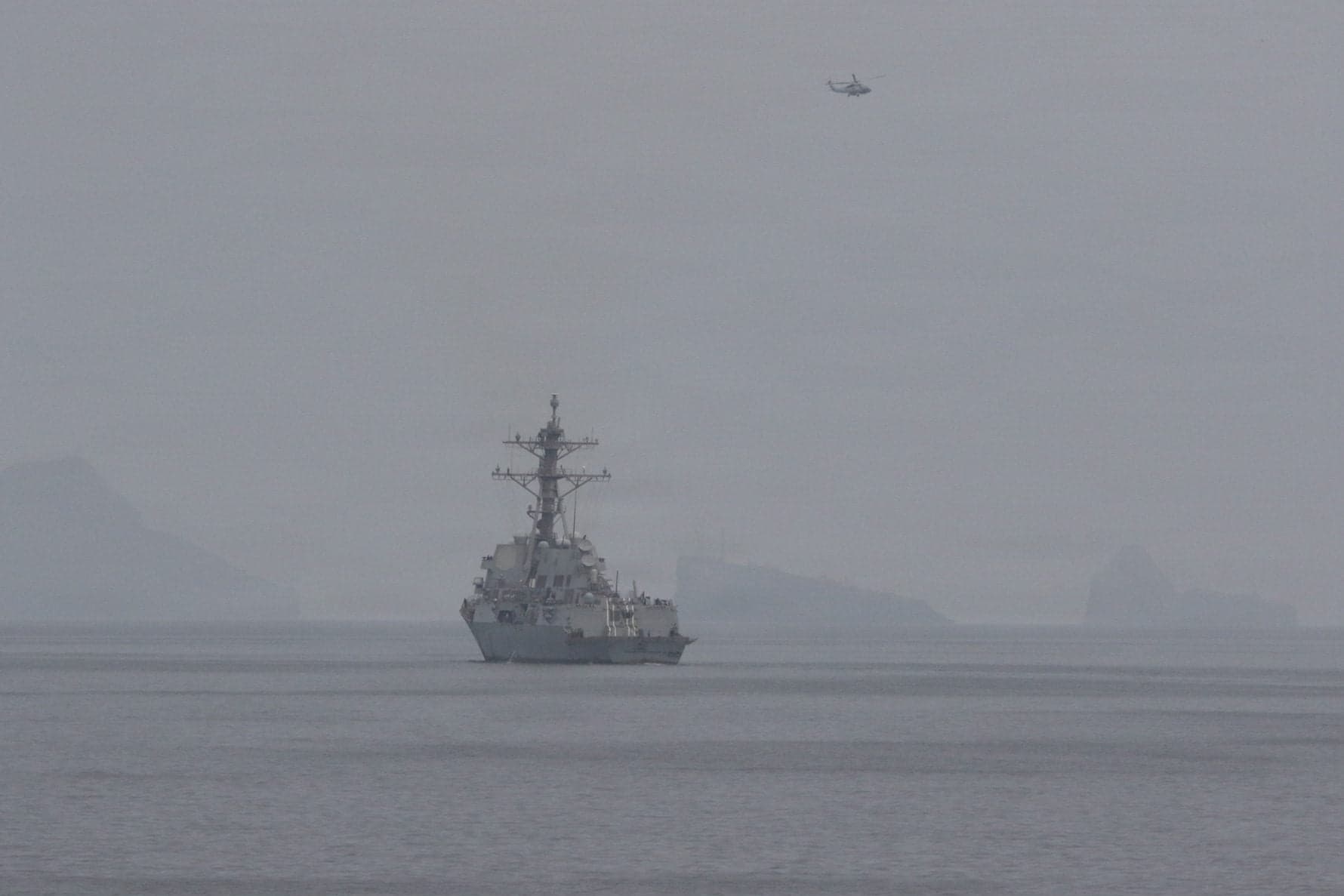
The International Maritime Organization (IMO) has reported an estimated 80 naval mines are currently present in the historical shipping lanes of the Strait of Hormuz. This discovery underscores the considerable difficulties in fully normalizing maritime operations and ensuring safe passage through this vital waterway. The Strait of Hormuz is a critical chokepoint for global oil shipments, connecting the Persian Gulf to the open ocean.
For freight forwarders and operations managers, this situation implies continued heightened security concerns and potential disruptions for vessels transiting the Strait. The presence of mines can lead to increased war risk premiums for cargo insurance, extended transit times due to cautious navigation or potential diversions, and a general elevation of operational risk. Shippers moving goods through this region should anticipate potential delays and higher costs, necessitating careful route planning and robust contingency measures.
While the source does not specify immediate actions or timelines for mine clearance, the IMO's assessment suggests that the process of securing the Strait will be complex and time-consuming. This ongoing threat could influence carrier decisions regarding vessel deployment and routing, potentially impacting schedule reliability for services reliant on this passage.