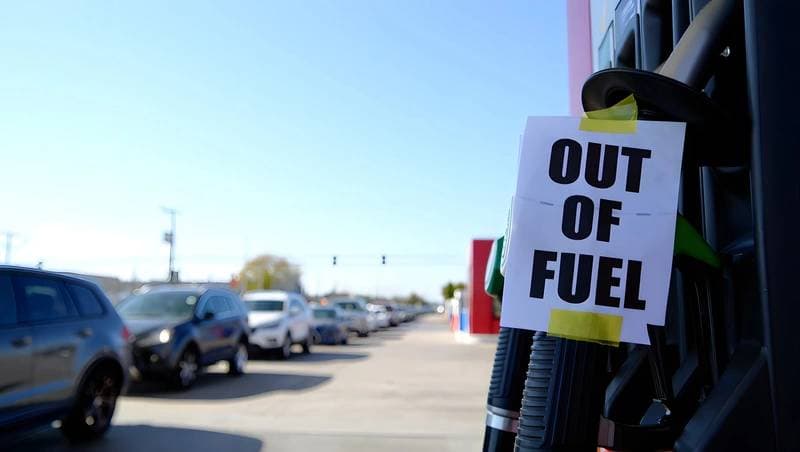
The recent closure of the Strait of Hormuz for over 100 days has triggered a significant re-evaluation within global energy markets. This event is being compared to the disruptive Arab oil embargo of 1973, underscoring the profound impact that interruptions at vital maritime chokepoints can have on the international supply of oil and gas.
For freight forwarders and supply chain managers, such disruptions translate directly into heightened operational risks. The immediate implications include potential delays for tanker movements, increased bunker prices due to supply uncertainty, and a surge in war risk premiums for vessels transiting the region. Forwarders must account for longer transit times if alternative routes are sought, and prepare for potential cargo rerouting, which adds complexity and cost. Shippers may face higher freight rates and extended lead times for energy-related commodities.
This incident serves as a critical reminder for logistics professionals to diversify supply chains, explore alternative sourcing options, and maintain robust contingency plans for geopolitical disruptions affecting key maritime trade arteries. The long-term effects could include a push towards greater energy independence or diversification of energy sources globally, potentially altering demand patterns for specific shipping routes and vessel types.